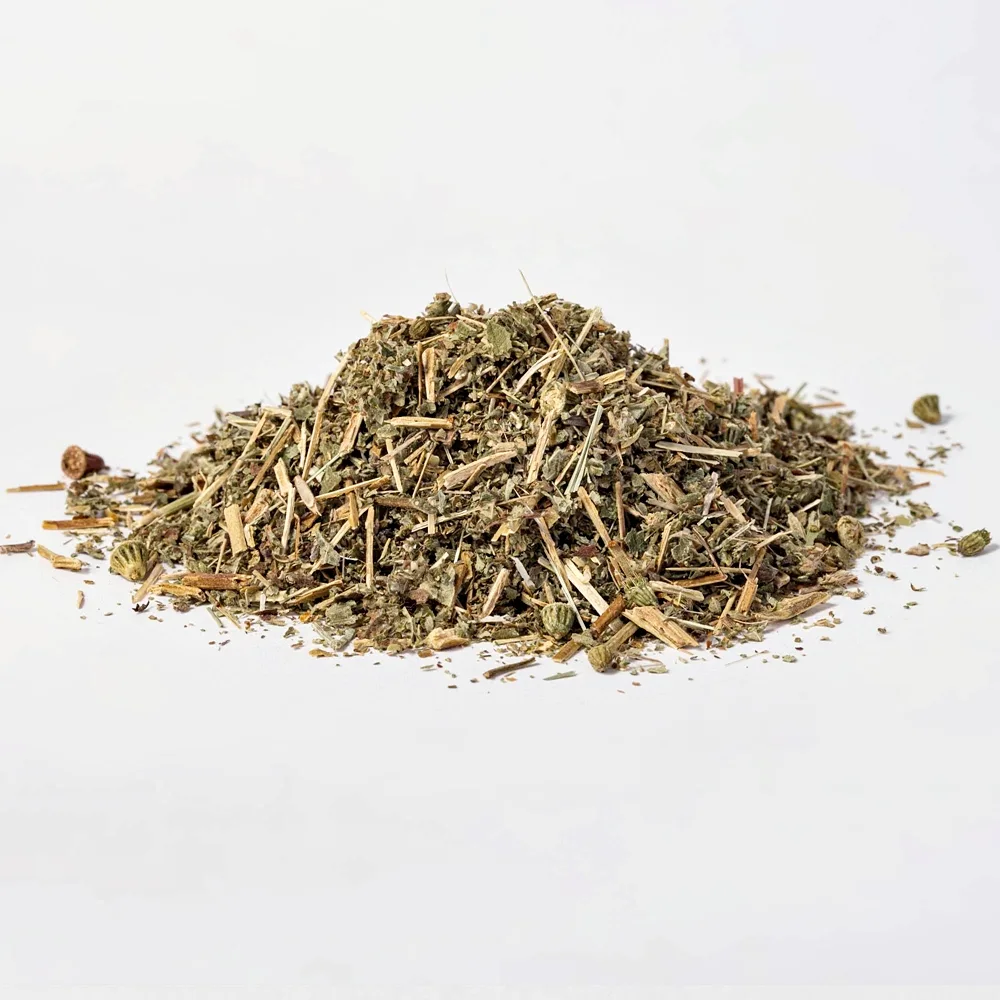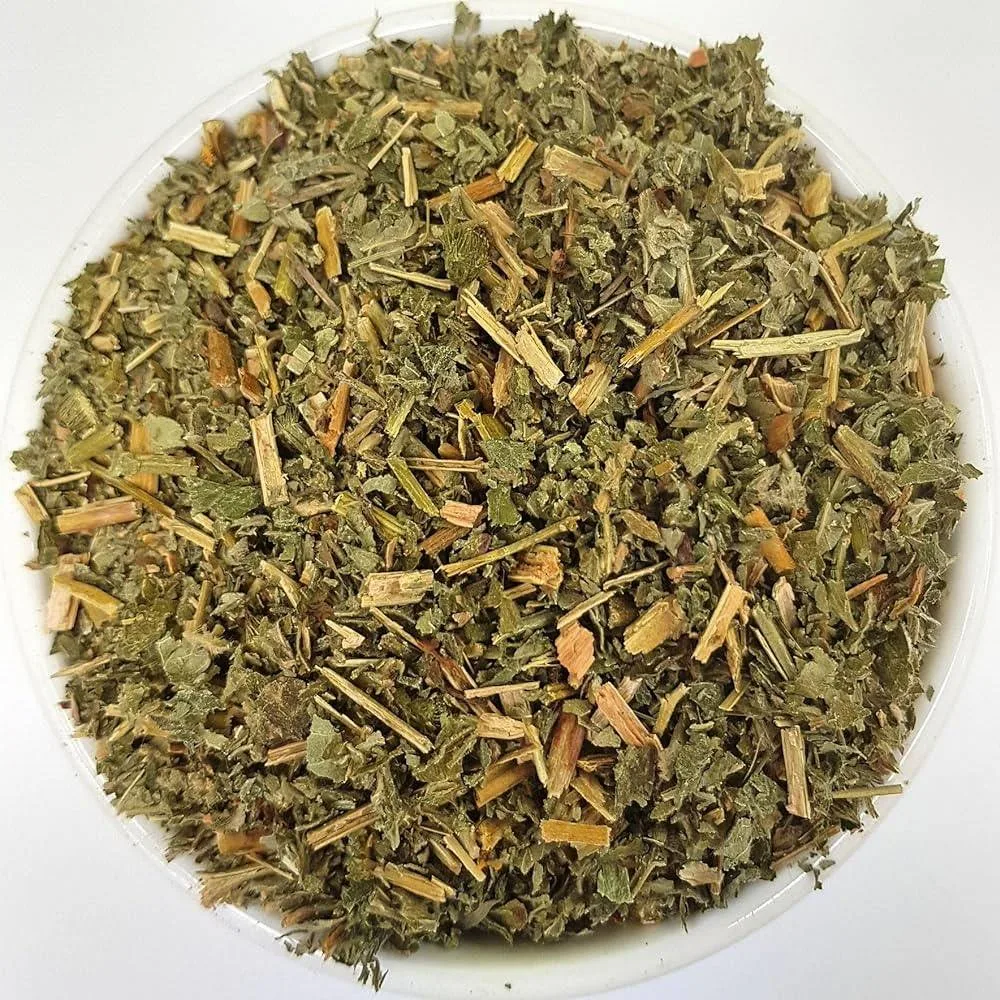
Agrimony is a traditional European herb valued for its long history of use in digestive wellness, oral care, and topical herbal preparations. Rich in tannins and other naturally occurring bioactive compounds, it remains a popular botanical ingredient for herbal teas, extracts, and a wide range of plant-based formulations.
The plant grows naturally in grasslands, hedgerows, woodland margins, and open habitats. The leafy flowering tops are harvested during the blooming season and processed for use in the herbal, nutraceutical, and pharmaceutical industries.
Basic Information
- Latin name: Agrimonia eupatoria L.
- Part used: leafy flowering aerial parts (Herba Agrimoniae)
- Origin: Bulgaria
- Raw material type: wild-harvested
- Harvest period: June – August
Herb Characteristics
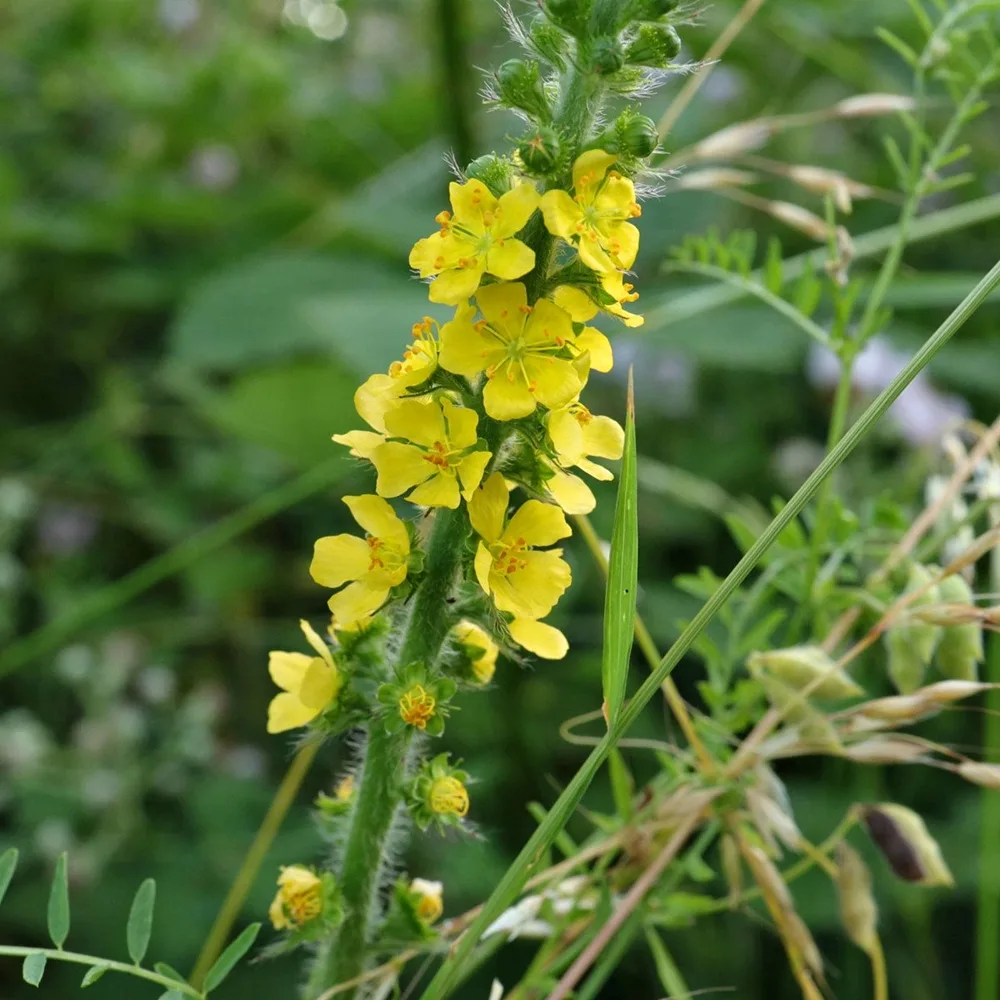
Agrimony is a perennial herb belonging to the rose family (Rosaceae). It develops a short, thick rhizome and an upright stem covered with soft hairs, reaching up to 120 cm in height. The leaves are mainly concentrated in the lower part of the stem and have a characteristic pinnate structure.
Its small yellow flowers are pleasantly fragrant and arranged in long, slender spikes that may reach 30 cm in length. Flowering occurs from June to August. The fruits are equipped with hooked bristles that readily attach to clothing and animal fur, aiding seed dispersal.
The harvested botanical material is suitable for cutting, crushing, milling, and extraction.
Chemical Composition
- tannins
- flavonoids
- quercetin
- essential oil
- mucilage compounds
- bitter compounds
- vitamin C
- vitamin K
- nicotinic acid
Suitable for the Production of
- herbal teas
- dry extracts
- liquid extracts
- tinctures
- digestive wellness products
- oral and throat care products
- herbal blends
- botanical extracts
- food supplements
Medicinal Properties and Effects on the Body
Agrimony is traditionally associated with the following properties:
- astringent action
- anti-inflammatory activity
- antioxidant activity
- digestive support
- support for normal liver function
- urinary tract support
- support for healthy skin and mucous membranes
Traditionally, agrimony has been used in herbal preparations intended to support digestive comfort, particularly in cases involving mild digestive disturbances. It is also widely used in gargles, rinses, compresses, and topical botanical preparations for external care.
Important Notice
Information regarding the traditional use of agrimony is provided for informational purposes only. Persistent, unusual, or worsening symptoms should be assessed by a qualified healthcare professional.
Forms Available
Available as:
- whole dried herb (Herba Agrimoniae)
- crushed herb (Herba Agrimoniae)
- cut material in custom sizes upon request
- herbal powder
Quality and Documentation
Upon request, the following may be provided:
- Certificate of Analysis (COA)
- technical documentation
- additional documents upon request
Inquiry
Contact us for current availability, samples, and a quotation based on the required quantities, preferred processing form, and raw material specifications.
Gallery
Product images