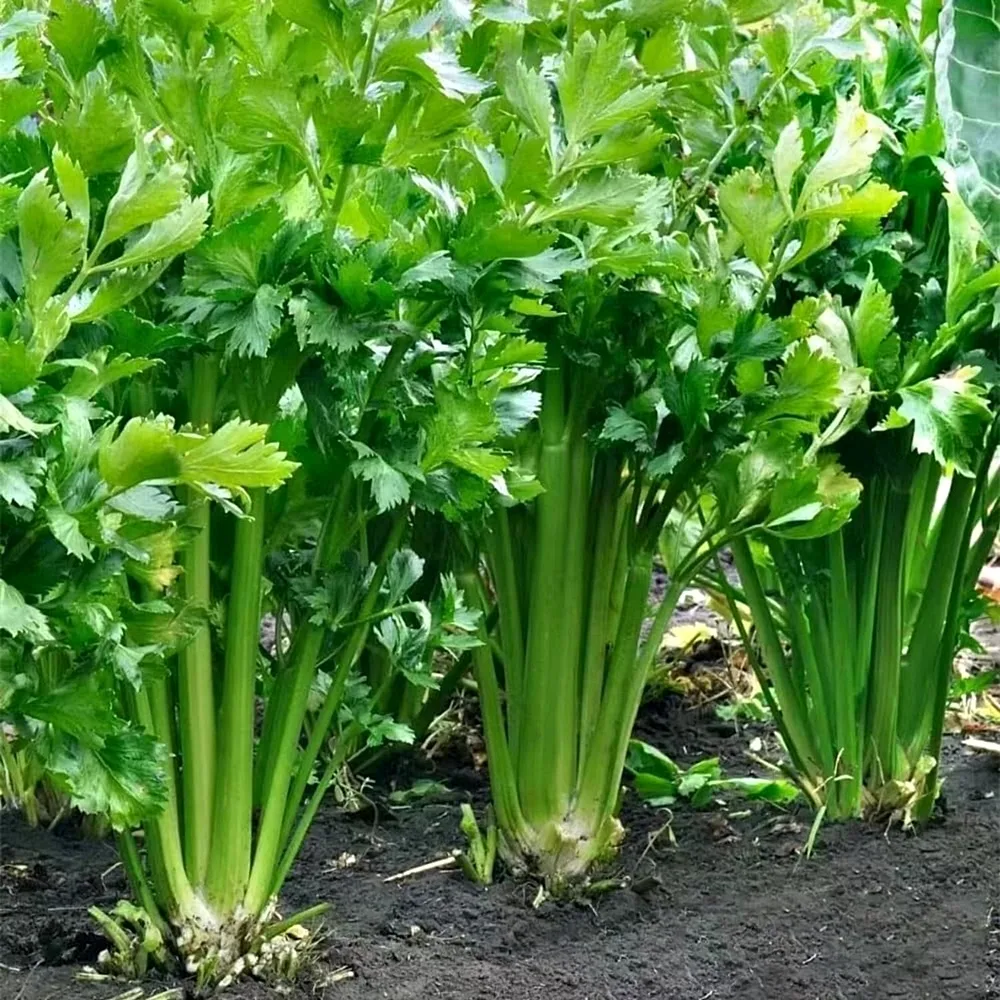
Celery is a biennial herb from the parsley family (Apiaceae), widely known both as a vegetable crop and as a botanical raw material. It develops a hollow, branched stem that can reach up to around 1.5 metres in height. The leaves are dark green, glossy, and pinnately divided, with the basal leaves being larger and more deeply cut.
The flowers are small, greenish-white, and arranged in compound umbels. The fruit is small, oval, and slightly flattened, with characteristic longitudinal ribs. Celery grows naturally in moist habitats and is also widely cultivated throughout Bulgaria and across Europe.
Thanks to its rich phytochemical profile and broad range of applications, celery is a valuable ingredient for the food, herbal, and extraction industries.
Basic Information
- Latin name: Apium graveolens L.
- Parts used: root (Radix Apii), fruits (Fructus Apii), leaves (Folia Apii), aerial parts (Herba Apii)
- Origin: Bulgaria
- Raw material type: cultivated and wild-growing
- Harvest period for roots: September – December
- Harvest period for leaves and aerial parts: during flowering
Herb Characteristics
Celery is a strongly aromatic plant with abundant aerial growth and, in root varieties, a characteristic fleshy root. The leaves and aerial parts are rich in aromatic compounds, while the fruits are especially valued for their concentrated aroma.
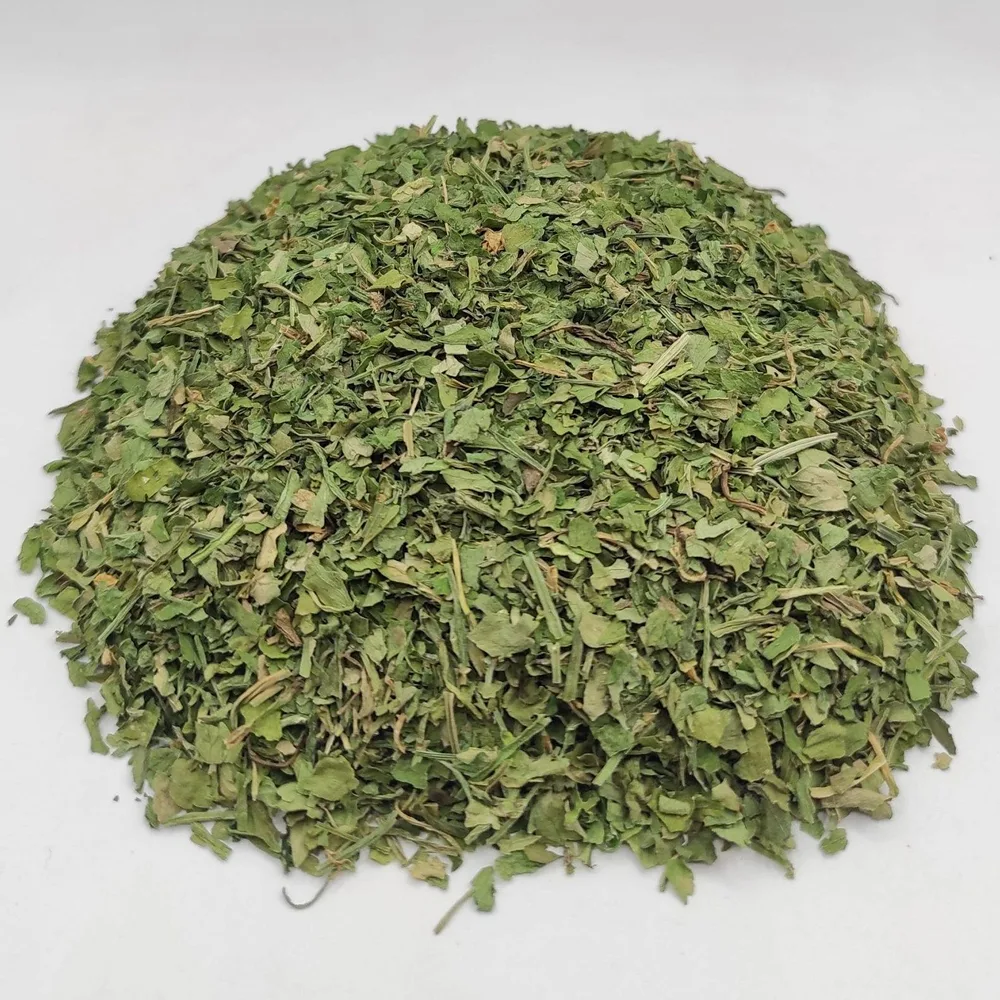
Different parts of the plant can be used depending on the intended end product. The raw material is suitable for drying, cutting, milling, and further extraction.
Chemical Composition
- essential oil
- flavonoids
- polyphenols
- apigenin
- apiin
- organic acids
- vitamins A, C, and B-complex
- amino acids
- minerals
- limonene
- selinene
- sedanolide
The essential oil, flavonoids, and phenolic compounds are among the key constituents that define celery’s characteristic aroma and its use in both food and herbal preparations.
Suitable for the Production of
- herbal teas
- dry extracts
- liquid extracts
- tinctures
- food supplements
- functional food products
- botanical extracts
- digestive support products
- urinary support products
- aromatic blends and seasoning formulations
Medicinal Properties and Effects on the Body
Celery has the following properties:
- support for the urinary system
- support for normal fluid balance
- appetite stimulation
- digestive support
- use in products for urinary and digestive comfort
- traditional tonic use in herbal practice
In traditional European herbal use, celery is included in products intended to support digestion, appetite, and normal urinary function. Different parts of the plant are used in herbal blends, extracts, and functional formulations.
Forms Available
Available as:
- whole dried aerial parts (Herba Apii)
- crushed aerial parts
- cut aerial parts in custom sizes upon request
- herbal powder
Quality and Documentation
Upon request, the following may be provided:
- Certificate of Analysis (COA)
- technical documentation
- additional documents upon request
Inquiry
Contact us for current availability, samples, and a quotation based on the required quantities, preferred processing form, and raw material specifications.
Gallery
Product images