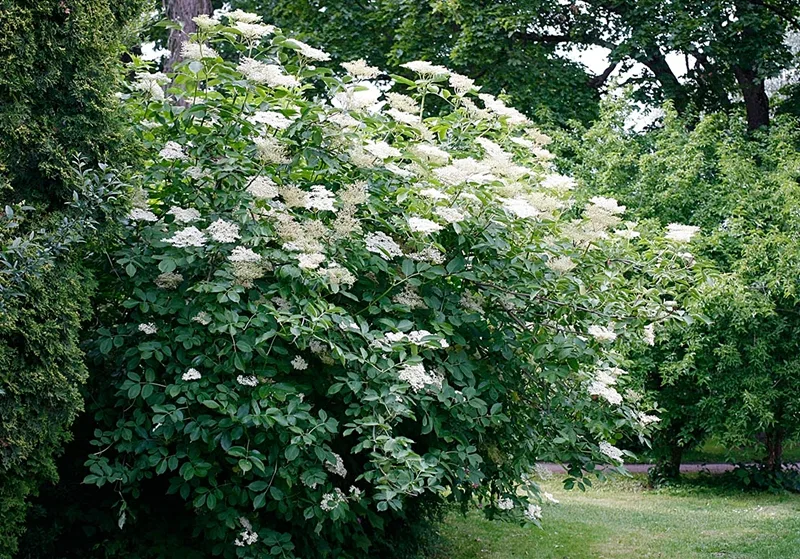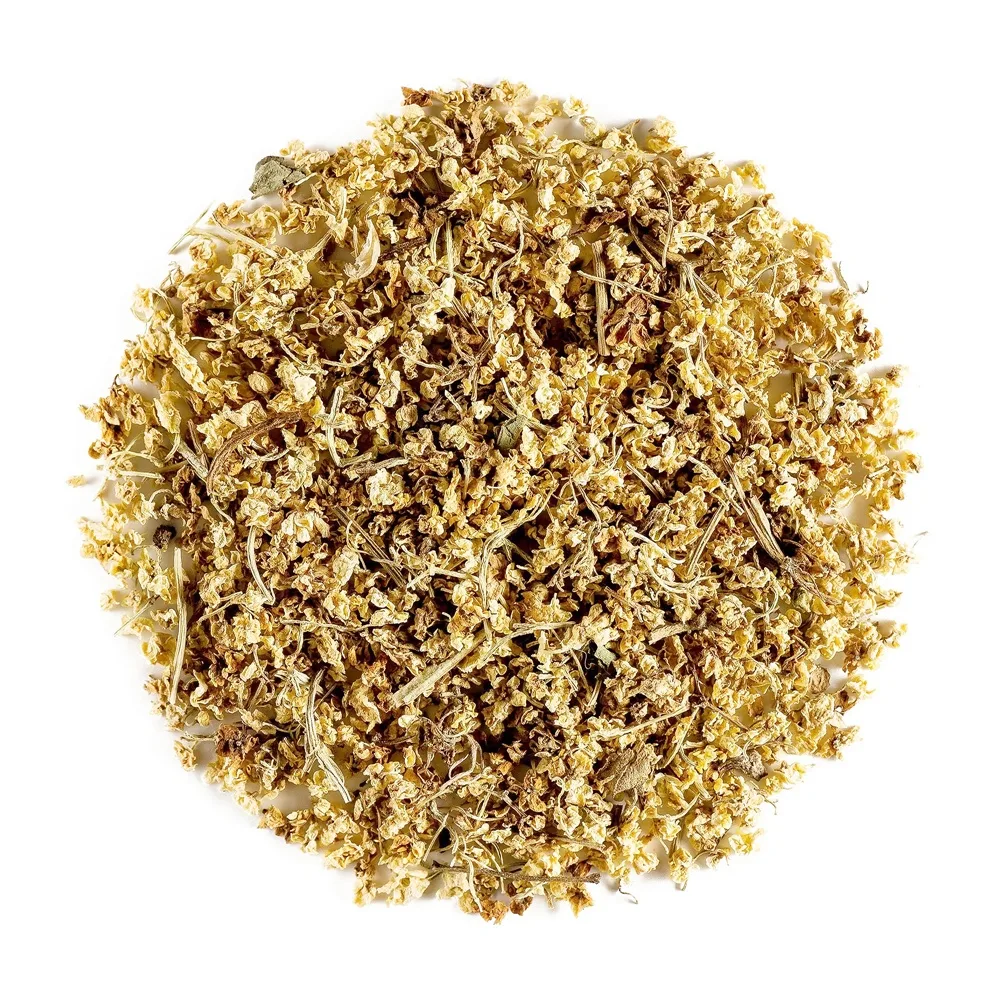
Elderberry is a shrub or small tree from the Viburnaceae family, widely distributed across Bulgaria. It grows near settlements, in scrubland, woodland, and moist habitats. The plant can reach up to around 6 metres in height and is characterised by grey bark, a soft white pith, and a well-developed root system.
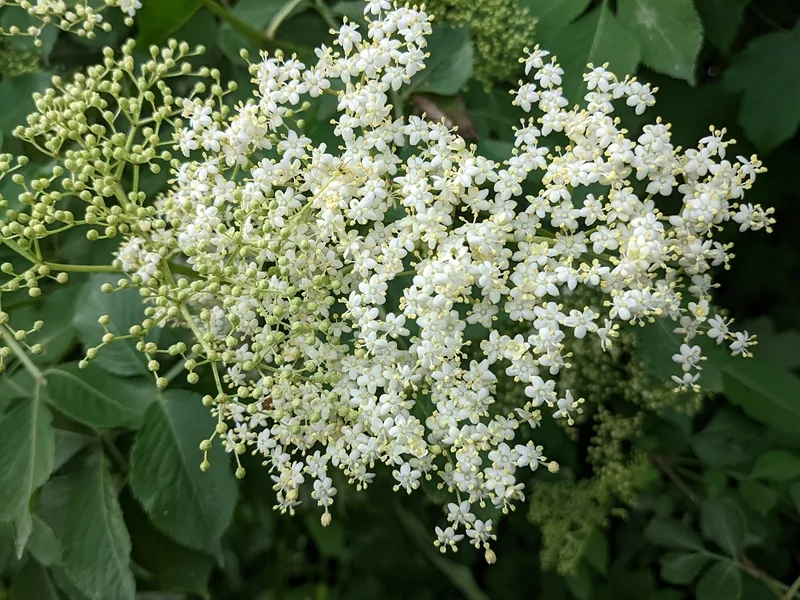
The leaves are opposite and elongated-ovate, while the flowers are small, yellowish-white, and arranged in broad multi-flowered clusters. Elderberry usually flowers in May and June. The fruits are small, round, juicy, dark violet to almost black berries that ripen in late summer.
Elderberry is a valuable botanical and food-grade raw material used in herbal teas, extracts, syrups, functional products, and natural formulations.
Basic Information
- Latin name: Sambucus nigra L.
- Parts used: flowers (Flores Sambuci nigri), roots (Radix Sambuci nigri), fruits (Fructus Sambuci nigri), bark (Cortex Sambuci nigri)
- Origin: Bulgaria
- Raw material type: wild-harvested and cultivated
- Flower harvest period: May – June
- Fruit harvest period: August – September, at full maturity
- Root harvest period: August – September, after fruit ripening
Other Names
- Elder
- Black Elder
- European Elder
Herb Characteristics
Elderberry is a well-recognised shrub or small tree with large compound leaves, fragrant pale flower clusters, and dark juicy fruits. The flowers are harvested at the beginning of flowering, in dry weather, when most of the florets in the cluster have opened. The inflorescences are cut below the branching point.
The fruits are collected only when fully ripe and have developed their typical dark violet to nearly black colour. The raw material is dried carefully to preserve its natural colour, aroma, and overall botanical quality.
Chemical Composition
- flavonoids
- flavonol glycosides
- rutin
- hyperoside
- isoquercitrin
- phenolic acids
- anthocyanins
- tannins
- carotenoids
- amino acids
- sugars
- vitamin C
- vitamins A, B1, and B2
- mineral salts
- pectin
- mucilage compounds
- essential oil
- fibre
- zinc
Elder flowers are rich in flavonoids, mucilage compounds, and essential oil, while the fruits contain anthocyanins, naturally occurring plant compounds, vitamins, minerals, and pectin.
Suitable for the Production of
- herbal teas
- dry extracts
- liquid extracts
- syrups
- functional beverages
- food supplements
- herbal blends
- natural food products
- botanical extracts
- immune comfort products
- seasonal and respiratory comfort products
Medicinal Properties and Effects on the Body
Elderberry is traditionally associated with the following properties:
- antioxidant activity
- support for immune comfort
- support for respiratory comfort
- diaphoretic action
- diuretic action
- expectorant action
- use in products for seasonal discomfort
In traditional European herbal practice, elder flowers are used in teas and herbal blends aimed at seasonal, respiratory, and immune comfort. The fruits are used in syrups, extracts, functional beverages, and food products when fully ripe and properly processed.
Important Notice
Unripe fruits and certain parts of the plant are not suitable for direct consumption. Only fully ripe and properly processed fruits should be used in food and herbal products. The use of the raw material should comply with the intended end use of the final product and applicable safety requirements.
Forms Available
Available as:
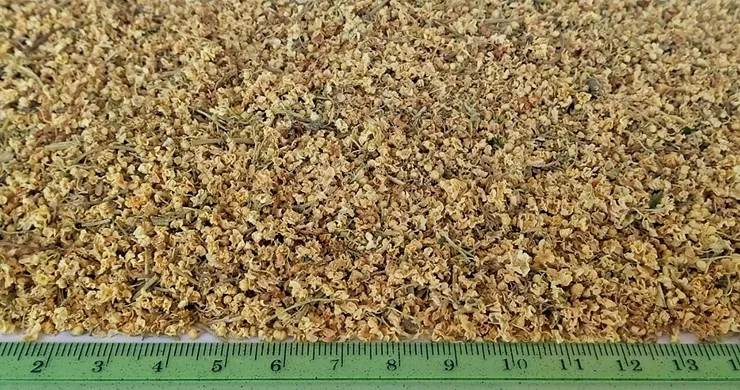
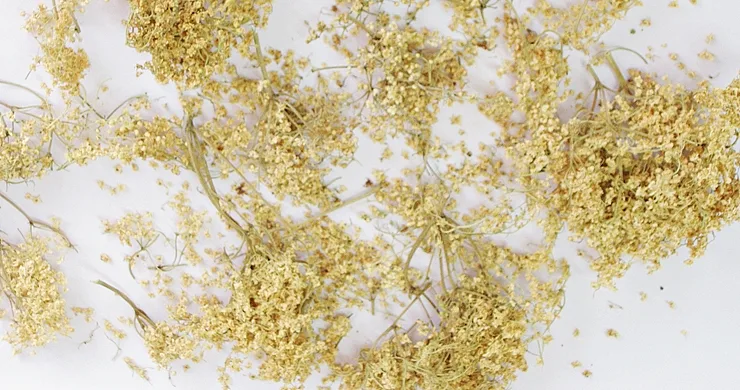
- flowers (Flores Sambuci nigri) – whole dried inflorescences with short stems, rubbed flowers, powdered
- fruits (Fructus Sambuci nigri) – whole dried fruits, powdered
Quality and Documentation
Upon request, the following may be provided:
- Certificate of Analysis (COA)
- technical documentation
- additional documents upon request
Inquiry
Contact us for current availability, samples, and a quotation based on the required quantities, preferred processing form, and raw material specifications.
Gallery
Product images