Summer Savory (Satureja hortensis L.) - Dried leaves, aerial parts, and spices
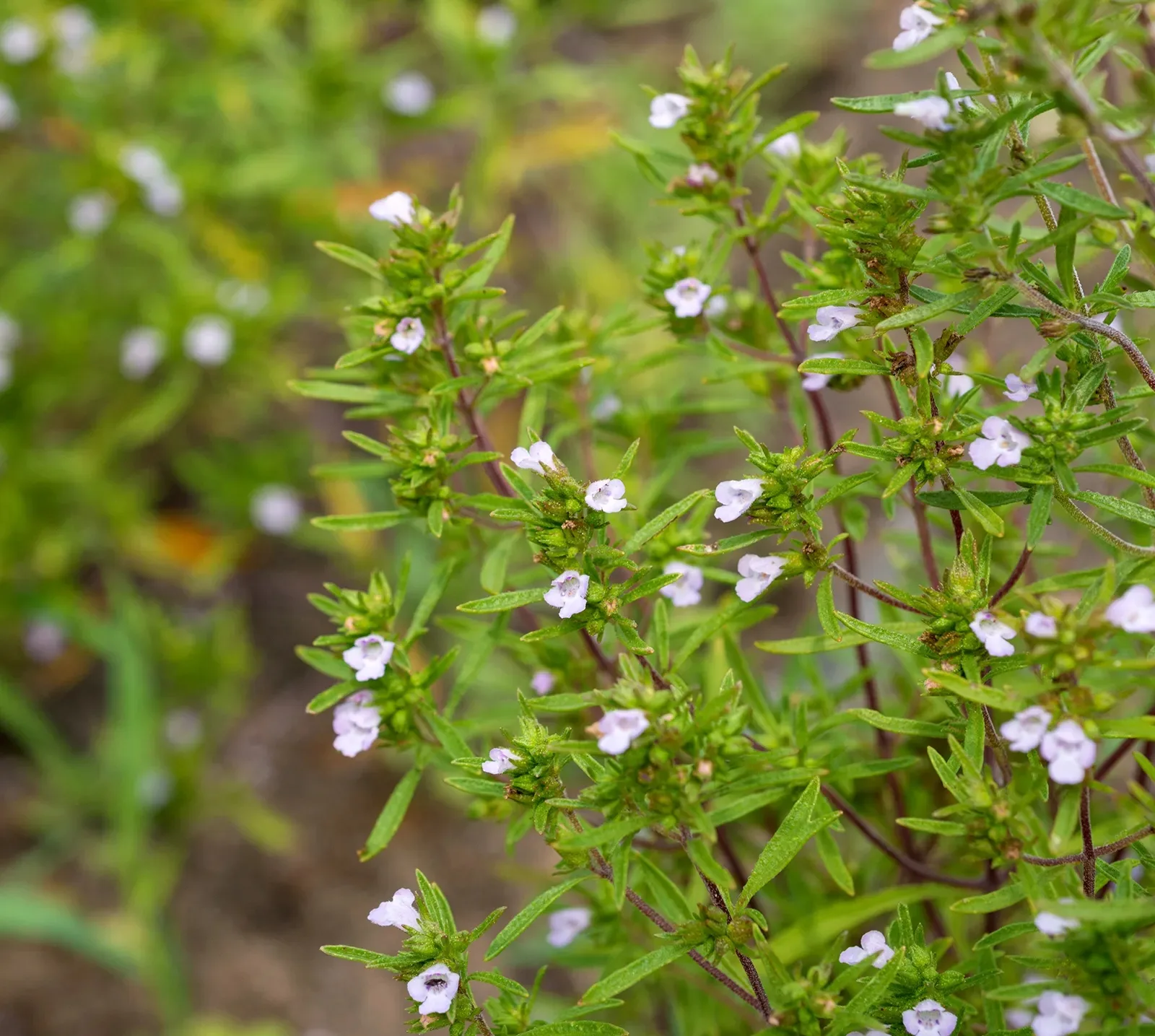
Summer savory is an annual aromatic herb from the mint family (Lamiaceae), widely valued both as a culinary spice and as a botanical raw material. The plant develops a fine root system and strongly branched, four-angled stems that usually reach up to 50 cm in height.
Its leaves are opposite, narrow, lanceolate to linear, and highly aromatic. The flowers are small, violet to pale lilac, and borne in the leaf axils. Flowering takes place from June to August, and the species is well established as a raw material for the food, herbal, and cosmetic industries.
In Bulgaria, summer savory is widely cultivated and is especially well suited to warmer growing areas. Thanks to its stable aromatic profile and broad range of applications, the herb is valued both in culinary production and in the manufacture of botanical extracts and essential oil.
Basic Information
- Latin name: Satureja hortensis L.
- Parts used: herb (Herba Saturejae), leaves (Folia Saturejae)
- Origin: Bulgaria
- Raw material type: cultivated
- Harvest period: June – August, during flowering
Other Names
- savory
- garden savory
Herb Characteristics
Summer savory is an aromatic annual with abundant aerial growth and slender, branching stems. The leaves are small, narrow, and intensely fragrant, making them one of the most valuable parts of the plant for commercial use.
The flowers are small and form in the leaf axils. For processing purposes, the aerial parts are harvested during flowering, when the aromatic compounds are at their peak. Once flowering is over, the aroma becomes less pronounced, which is why the herb is collected at the right stage and dried carefully at low temperature.
Chemical Composition
- essential oil
- carvacrol
- thymol
- terpenes
- phenolic compounds
- flavonoids
- tannins
- mucilage compounds
- vitamin C
- vitamin B6
- carotenoids
- rutin
The essential oil and phenolic compounds are among the key constituents of summer savory and are largely responsible for its characteristic aroma and its broad use in food, herbal, and aromatic products.
Suitable for the Production of
- culinary seasonings and spice blends
- herbal teas
- dry extracts
- liquid extracts
- tinctures
- food supplements
- essential oil
- botanical extracts
- aromatic food products
- natural cosmetic products
Medicinal Properties and Effects on the Body
Summer savory is traditionally associated with the following properties:
- antioxidant activity
- anti-inflammatory activity
- antimicrobial activity
- digestive support
- support for normal gastrointestinal function
- use in products for respiratory comfort
In traditional European herbal practice, summer savory is used in products intended for digestive comfort, aromatic herbal blends, and functional botanical formulations. Owing to its strong, pleasant aroma, it is also widely used as a culinary ingredient in the food and canning industries.
Forms Available
Available as:
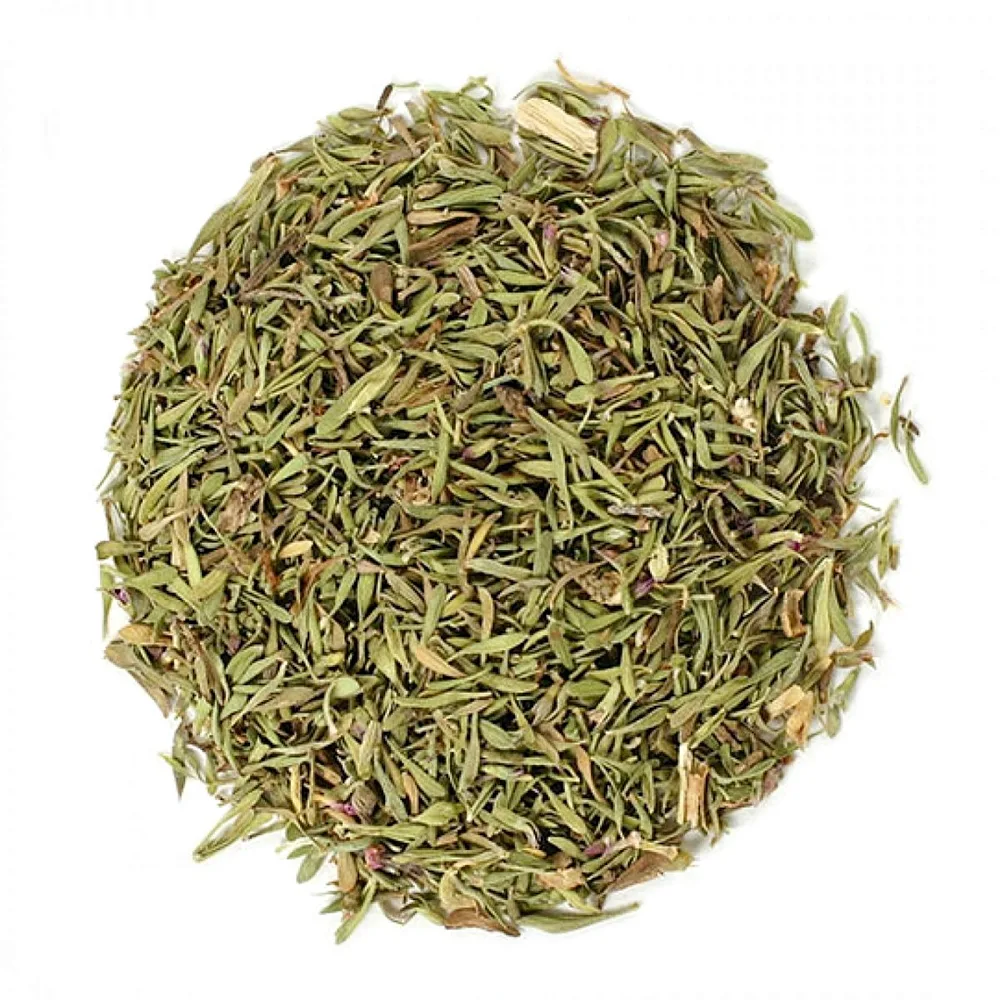
- whole dried leaves (Folia Saturejae)
- crushed leaves
- cut leaves in custom sizes upon request
- leaf powder
- summer savory essential oil
Quality and Documentation
Upon request, the following may be provided:
- Certificate of Analysis (COA)
- technical documentation
- additional documents upon request
Inquiry
Contact us for current availability, samples, and a quotation based on the required quantities, preferred processing form, and raw material specifications.
Gallery
Product images