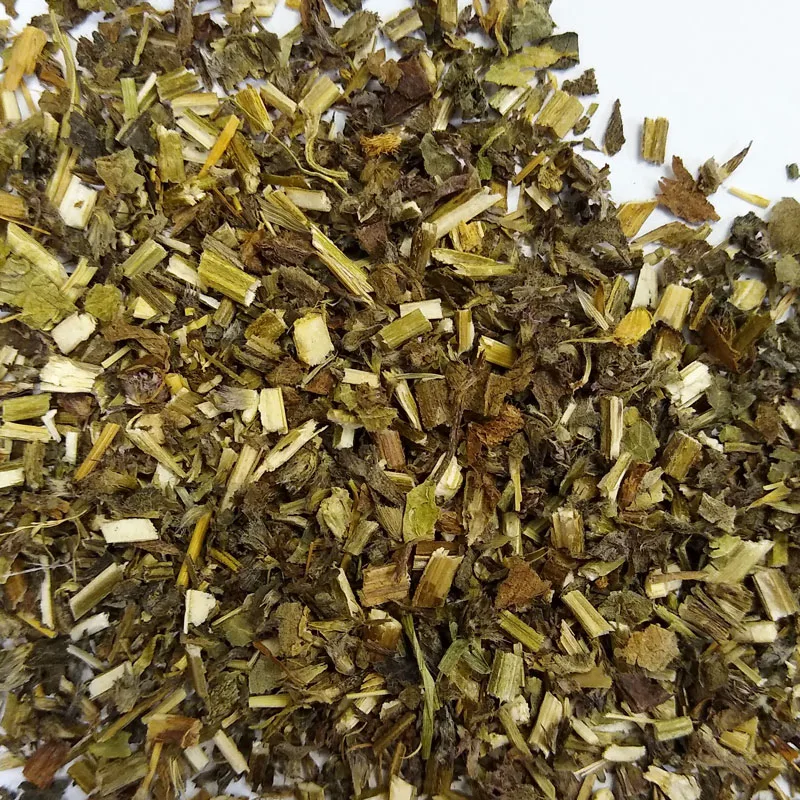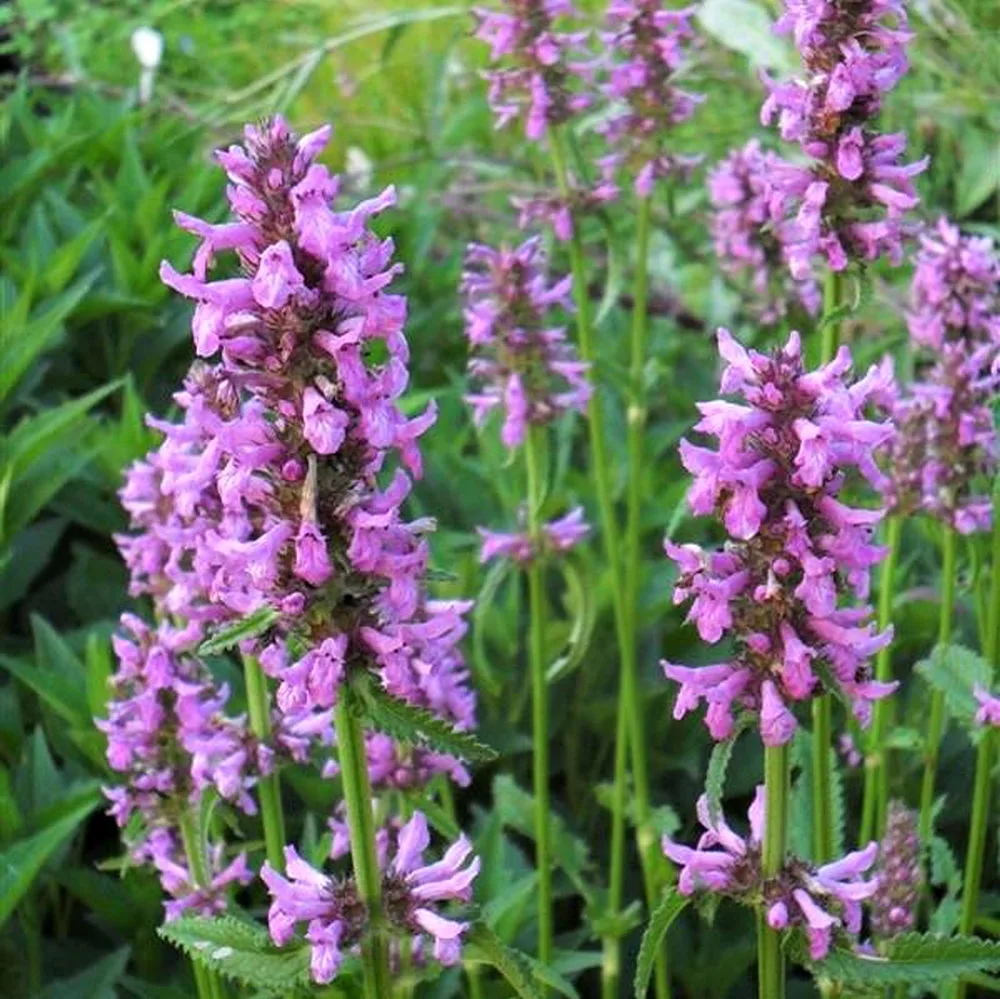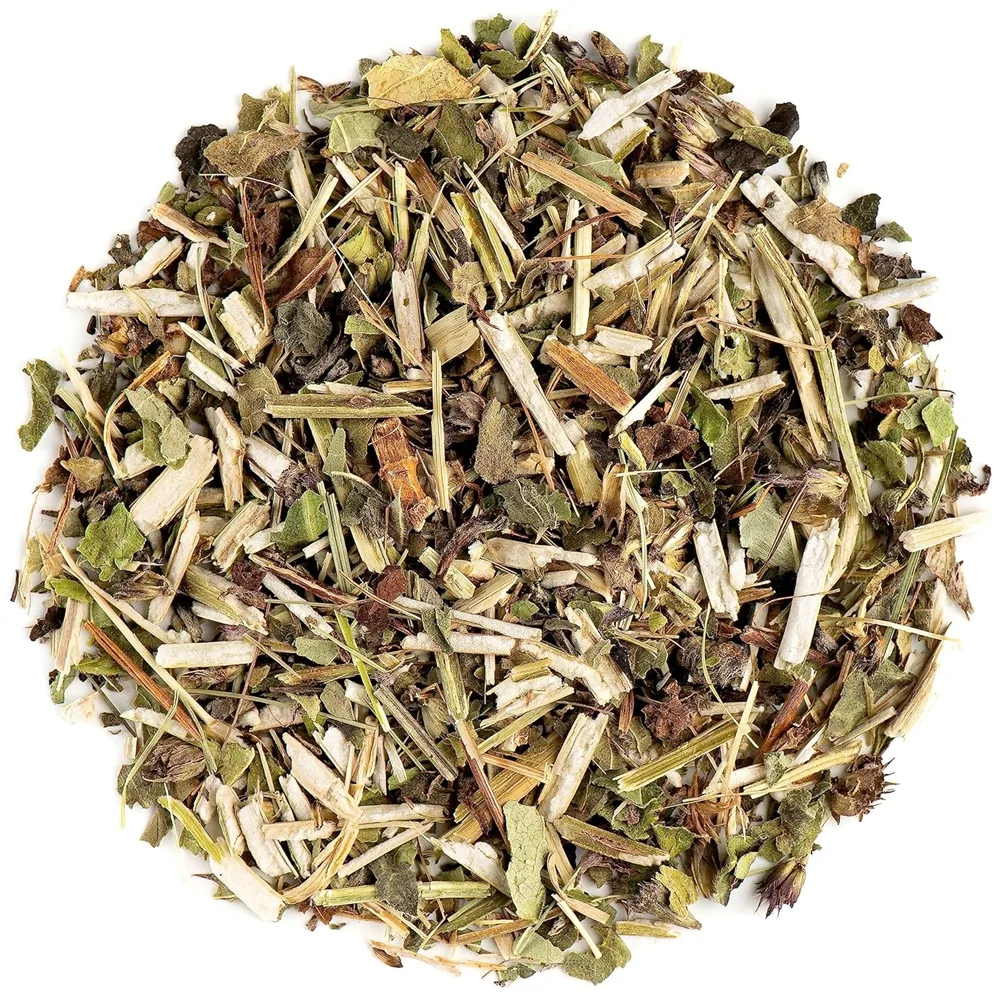
Betony is one of the most respected herbs in European herbal tradition. For centuries, it has been valued for its role in herbal formulations intended to support digestive wellness, relaxation, and external skin care. Owing to its diverse phytochemical profile, the herb continues to be a sought-after ingredient for teas, extracts, and a variety of natural health products.
Betony grows naturally in meadows, grasslands, woodland margins, and open shrub habitats. The aerial parts are harvested during flowering and used as a botanical raw material in the herbal, nutraceutical, and pharmaceutical industries.
Basic Information
- Latin name: Betonica officinalis L. (syn. Stachys officinalis)
- Part used: aerial parts (Herba Betonicae)
- Origin: Bulgaria
- Raw material type: wild-harvested
- Harvest period: June – August
Herb Characteristics
Betony is a perennial flowering plant belonging to the mint family (Lamiaceae). It develops upright square stems reaching 30–100 cm in height. The leaves are elongated to ovate with serrated margins and form a characteristic basal rosette. Its flowers range from pink-red to purple and are arranged in dense terminal spikes.
The herb flowers from June to August and is commonly found in meadows, shaded grasslands, woodland edges, and open shrubland habitats. The harvested plant material is suitable for further processing, including cutting, crushing, milling, and extraction.
Chemical Composition
- alkaloids (betonicine, stachydrine)
- tannins
- flavonoids
- saponins
- essential oil
- bitter compounds
- organic acids
- carotenoids
- mineral salts
Suitable for the Production of
- herbal teas
- dry extracts
- liquid extracts
- tinctures
- food supplements
- digestive wellness products
- relaxation support formulations
- herbal blends
- botanical extracts
Medicinal Properties and Effects on the Body
Betony is traditionally associated with the following properties:
- anti-inflammatory activity
- antispasmodic action
- mild calming effect
- digestive support
- antioxidant activity
- support for normal tissue recovery
- urinary tract support
In traditional European herbal practice, betony is commonly included in formulations intended to support digestive comfort, relaxation, and external skin care. The herb is also used in botanical preparations designed to support the normal function of the urinary system.
Important Notice
Information regarding the traditional use of betony is provided for informational purposes only. Persistent, unusual, or worsening symptoms should be assessed by a qualified healthcare professional.
Forms Available
Available as:
- whole dried herb (Herba Betonicae)
- crushed herb (Herba Betonicae)
- cut material in custom sizes upon request
- herbal powder
Quality and Documentation
Upon request, the following may be provided:
- Certificate of Analysis (COA)
- technical documentation
- additional documents upon request
Inquiry
Contact us for current availability, samples, and a quotation based on the required quantities, preferred processing form, and raw material specifications.
Gallery
Product images