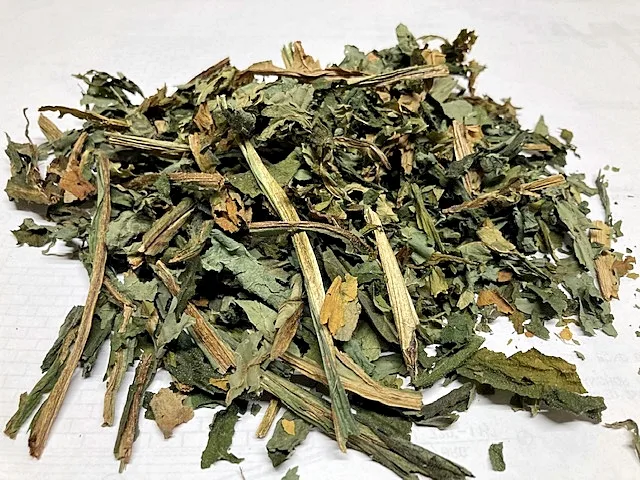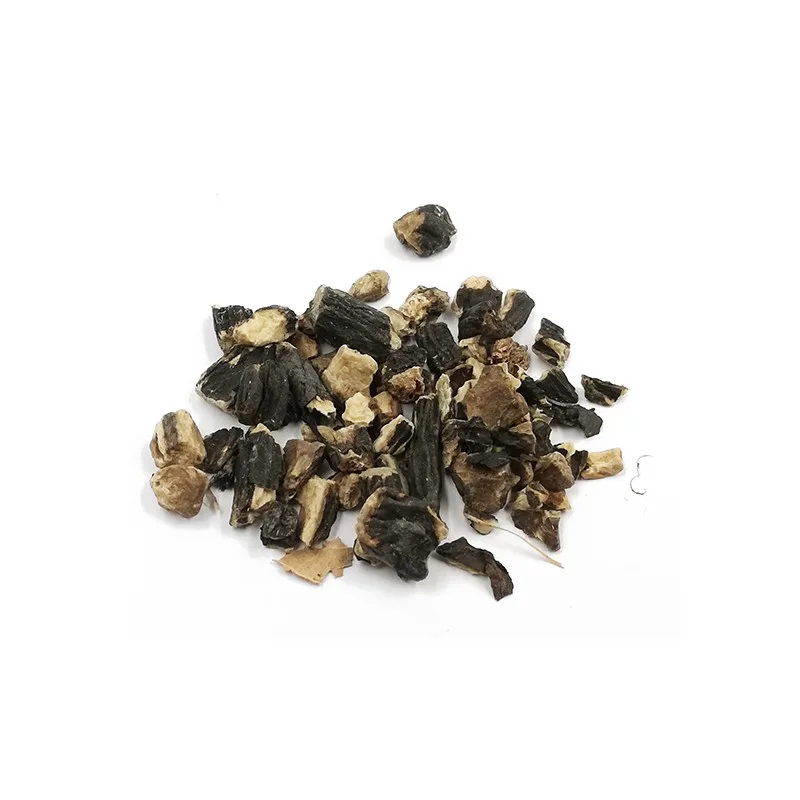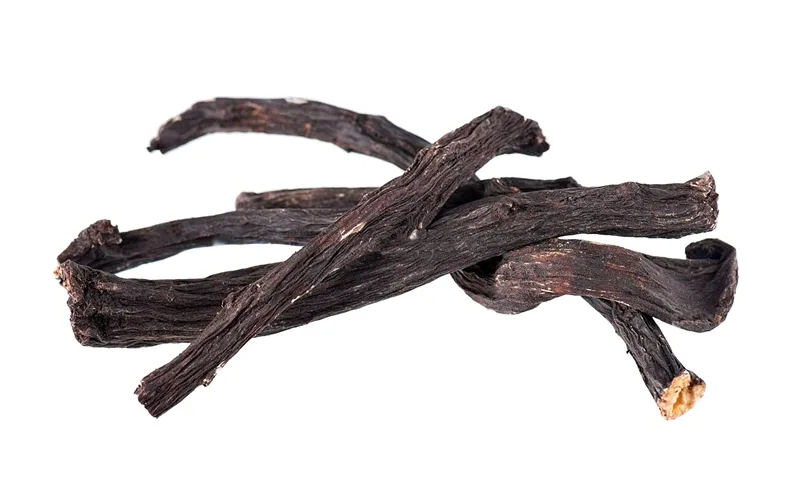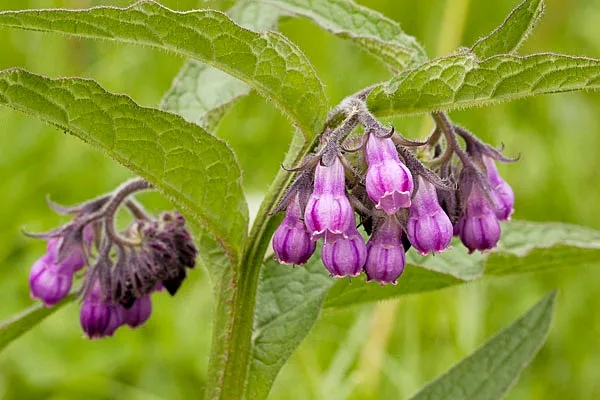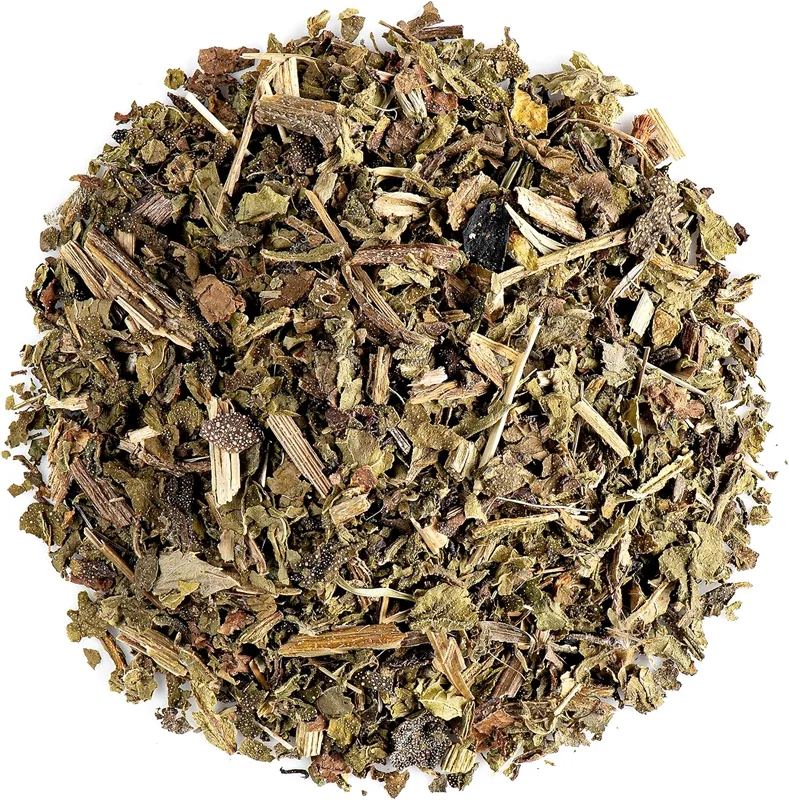
Comfrey (Symphytum officinale L.) - Dried leaves, aerial parts and roots
Comfrey is a perennial herb belonging to the borage family (Boraginaceae), widely distributed throughout Bulgaria and Europe. It typically grows in moist habitats such as meadows, riverbanks, streams, drainage areas, and other water-rich environments.
The plant develops a robust, fleshy root with a dark exterior and a pale interior. Its upright stems can reach up to 150 cm in height. The leaves are large, rough-textured, and arranged alternately along the stem. The bell-shaped flowers are most commonly violet to purple, although pink and white forms also occur.
Comfrey is a well-established botanical raw material in the herbal and cosmetic industries, where it is primarily used for the production of topical applications.
Basic Information
- Latin name: Symphytum officinale L.
- Common name: Comfrey
- Part used: root (Radix Symphyti)
- Additional available parts: leaf (Folia Symphyti), herb (Herba Symphyti)
- Origin: Bulgaria
- Raw material type: wild-harvested
- Root harvest period: August – October
Other Names
- Knitbone
- Blackwort
- Bruisewort
Herb Characteristics
Comfrey is a long-lived herb with a well-developed rhizome and a powerful root system. The roots of two- to three-year-old plants are considered the most valuable raw material due to their higher concentration of naturally occurring active compounds.
After harvesting, the roots are carefully cleaned and dried to preserve their quality. In addition to the roots, the leaves and aerial parts are also used for specific industrial applications.
Chemical Composition
- allantoin
- mucilage compounds
- phenolic acids
- rosmarinic acid
- chlorogenic acid
- tannins
- starch
- polysaccharides
- pyrrolizidine alkaloids
Allantoin is one of the most characteristic compounds found in comfrey root. The plant also contains phenolic compounds and pyrrolizidine alkaloids, which contribute both to its properties and to regulatory restrictions regarding its use.
Suitable for the Production of
- botanical extracts
- cosmetic products
- creams
- ointments
- balms
- infused oils
- topical gels
- skin-care products
- muscle and joint care products
Medicinal Properties and Effects on the Body
Comfrey is traditionally associated with the following properties:
- skin-soothing action
- support for skin recovery processes
- anti-inflammatory activity
- antioxidant activity
- use in muscle and joint care products
Due to its content of allantoin, rosmarinic acid, and other naturally occurring compounds, comfrey is widely incorporated into cosmetic and topical formulations intended for skin, muscle, and joint care.
Important Notice
Comfrey contains pyrrolizidine alkaloids that may be harmful to the liver. For this reason, internal use of the raw material is not recommended. Within the European Union, comfrey is primarily used in products intended for external application only.
Forms Available
Available as:
- whole dried root (Radix Symphyti)
- cut root in custom sizes upon request
- root powder
- whole dried leaf (Folia Symphyti)
- cut leaf in custom sizes upon request
- leaf powder
- whole dried herb (Herba Symphyti)
- cut herb in custom sizes upon request
- herb powder
Quality and Documentation
Upon request, the following may be provided:
- Certificate of Analysis (COA)
- technical documentation
- additional documents upon request
Inquiry
Contact us for current availability, samples, and a quotation based on the required quantities, preferred processing form, and raw material specifications.
Gallery
Product images