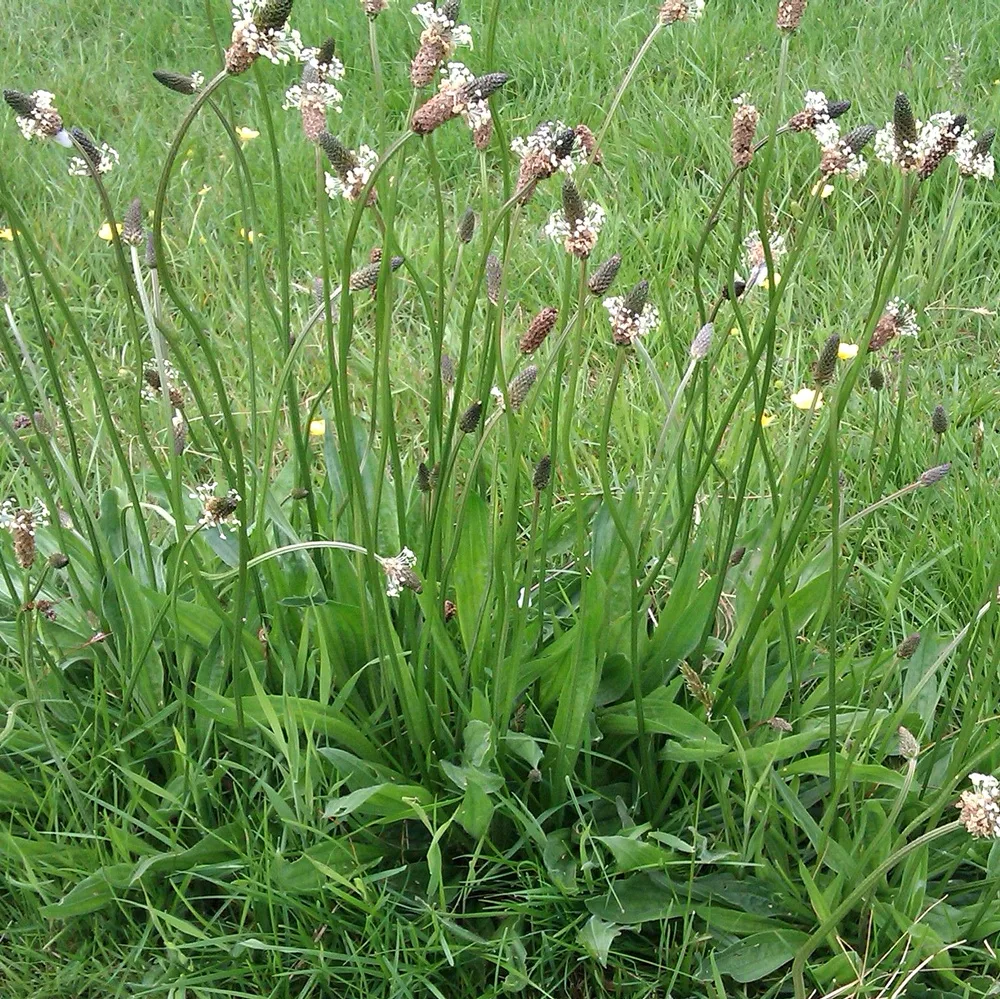
Ribwort plantain is a perennial herb from the plantain family (Plantaginaceae), botanically known as Plantago lanceolata L. The species is native to temperate Eurasia and is widely distributed across Bulgaria.
The plant forms a basal rosette of narrow, lance-shaped leaves with clearly visible parallel veins. Its flowering stems are upright and slender, ending in dense, spike-like inflorescences. The leaves are the main plant part used as botanical raw material and are valued for herbal, cosmetic, and food-related applications.
Ribwort plantain grows in meadows, pastures, grassy areas, and along roadsides. It is a resilient species that adapts well to different growing conditions, making it a reliable raw material for industrial use.
Basic Information
- Latin name: Plantago lanceolata L.
- Parts used: leaves (Folia Plantaginis lanceolatae), aerial parts (Herba Plantaginis)
- Origin: Bulgaria
- Raw material type: wild-harvested
- Leaf harvest period: May – September
- Aerial parts harvest period: during the summer months
Herb Characteristics
Ribwort plantain is easily recognised by its narrow, lance-shaped leaves arranged in a basal rosette and its long flowering stems with compact spikes. The leaves are green, fresh, and strongly veined.
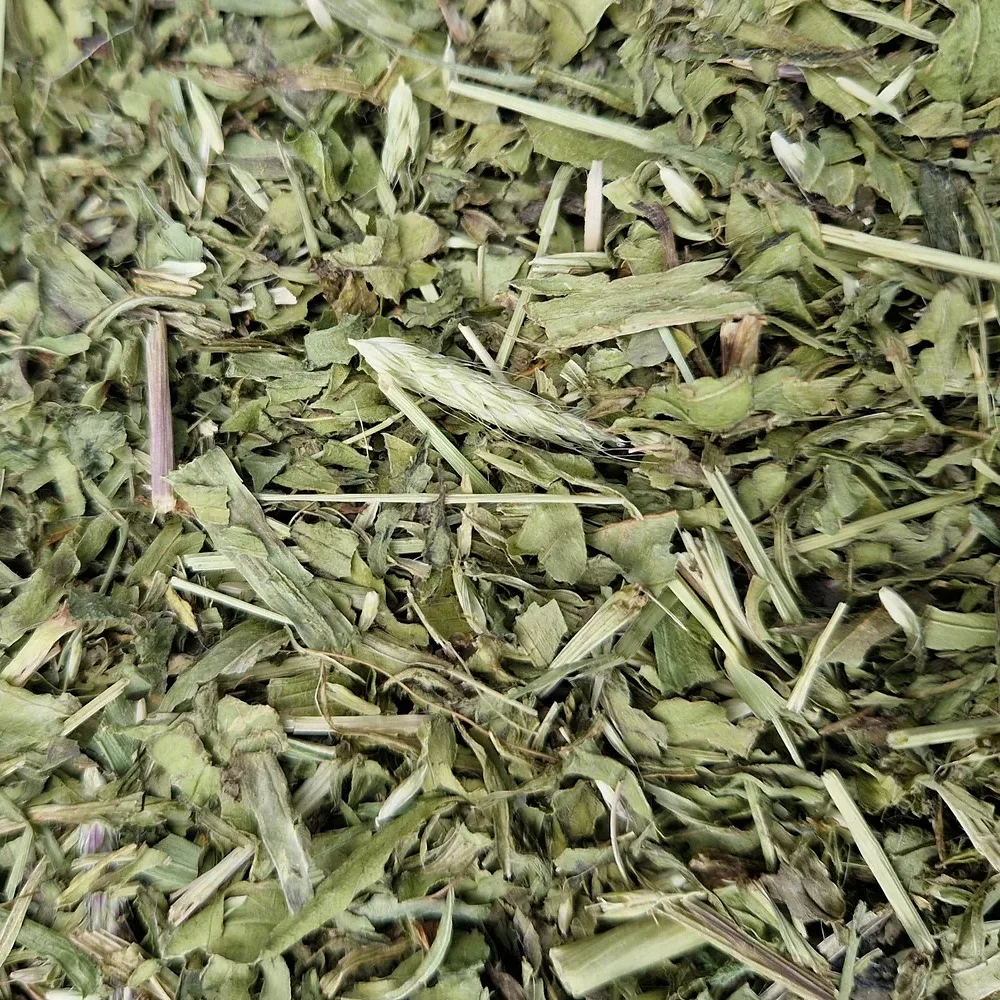
For botanical use, the leaves are collected when fully developed and rich in active plant compounds. The raw material is dried in well-ventilated rooms or drying facilities at low temperature to preserve its natural colour and overall botanical quality.
Chemical Composition
- mucilage compounds
- aucubin
- flavonoids
- tannins
- vitamin C
- organic acids
- minerals
- pectins
Mucilage compounds, aucubin, flavonoids, and tannins are among the key constituents associated with the traditional use of ribwort plantain in herbal products.
Suitable for the Production of
- herbal teas
- herbal blends
- dry extracts
- liquid extracts
- tinctures
- botanical extracts
- respiratory support products
- throat and respiratory formulations
- digestive support blends
- topical skin products
- cosmetic and herbal formulations
- functional botanical products
Medicinal Properties and Effects on the Body
Ribwort plantain is traditionally associated with the following properties:
- soothing effect on mucous membranes
- anti-inflammatory activity
- antimicrobial activity
- astringent action
- use in respiratory support products
- use in throat and respiratory formulations
- use in topical skin products
In traditional herbal practice, ribwort plantain is used in teas, syrups, extracts, and topical formulations. The leaves are valued as a raw material for throat and respiratory products, digestive support blends, and skin-care formulations.
Forms Available
Available as:
- leaves (Folia Plantaginis lanceolatae) – dried, crushed, or cut to custom size upon request, powder
Quality and Documentation
Upon request, the following may be provided:
- Certificate of Analysis (COA)
- technical documentation
- additional documents upon request
Inquiry
Contact us for current availability, samples, and a quotation based on the required quantities, preferred processing form, and raw material specifications.
Gallery
Product images