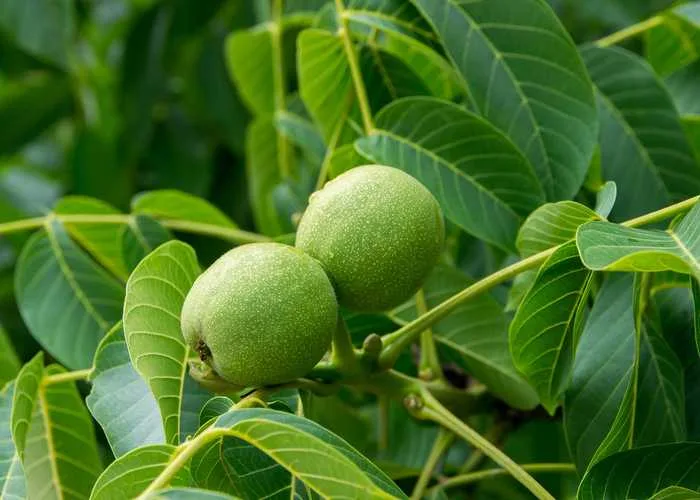
Walnut is a long-lived deciduous tree from the walnut family (Juglandaceae), valued for its nuts as well as for its leaves and green husks used as botanical raw materials. The species is botanically accepted as Juglans regia L. ,
The tree can reach around 25–30 metres in height and develops a broad crown and a deep root system. Its leaves are large, pinnate, and aromatic. The fruits are the well-known walnuts, enclosed in a green fleshy husk.
Walnut is widely found across Bulgaria, especially in yards, gardens, roadside areas, and warmer regions. Walnut leaf and green husk are used as botanical raw materials for herbal, cosmetic, food-related, and functional plant-based products.
Basic Information
- Latin name: Juglans regia L.
- Parts used: leaves (Folia Juglandis), green husk / pericarp (Pericarpium Juglandis), fruits (Fructus Juglandis)
- Origin: Bulgaria
- Raw material type: wild-growing and cultivated
- Leaf harvest period: May – August
- Green husk harvest period: June – July
- Fruit harvest period: autumn, at full maturity
Herb Characteristics
Walnut is a well-known tree with large aromatic leaves and green fruit husks used as botanical raw material. The leaves are collected when fresh, fully developed, and rich in active plant compounds.
The green husks, or pericarp, are harvested in June and July, before the fruit reaches full maturity. The raw material is dried at low temperature to help preserve its natural colour, aroma, and bioactive constituents.
Chemical Composition
- juglone
- tannins
- flavonoids
- essential oil
- vitamin C
- organic acids
- iodine
- polyphenols
- antioxidants
- valuable fats
- proteins
- minerals
- vitamins
Walnut leaves contain tannins, flavonoids, and juglone derivatives, while the fruits are naturally rich in fats, proteins, vitamins, and minerals. The exact composition may vary depending on origin, cultivar, and growing conditions. , , ,
Suitable for the Production of
- herbal teas
- herbal blends
- dry extracts
- liquid extracts
- botanical extracts
- herbal powders
- oral-care products
- topical skin products
- cosmetic and herbal formulations
- functional plant-based products
- food products containing walnut ingredients
Medicinal Properties and Effects on the Body
Walnut is traditionally associated with the following properties:
- astringent action
- anti-inflammatory activity
- antimicrobial activity
- use in topical skin products
- use in oral-care formulations
- use in herbal blends for digestive support
- use in cosmetic and herbal formulations
In traditional use, walnut leaf is mainly included in topical skin products and herbal formulations. The European Medicines Agency describes walnut leaf as a traditionally used herbal substance for external application in minor inflammatory skin conditions and excessive sweating of the hands and feet. ,
Important Notice
Walnut contains active plant compounds, including juglone. Green walnut husks may strongly colour botanical and cosmetic formulations. The use of this raw material should be aligned with the intended end product and applicable safety requirements.
Forms Available
Available as:
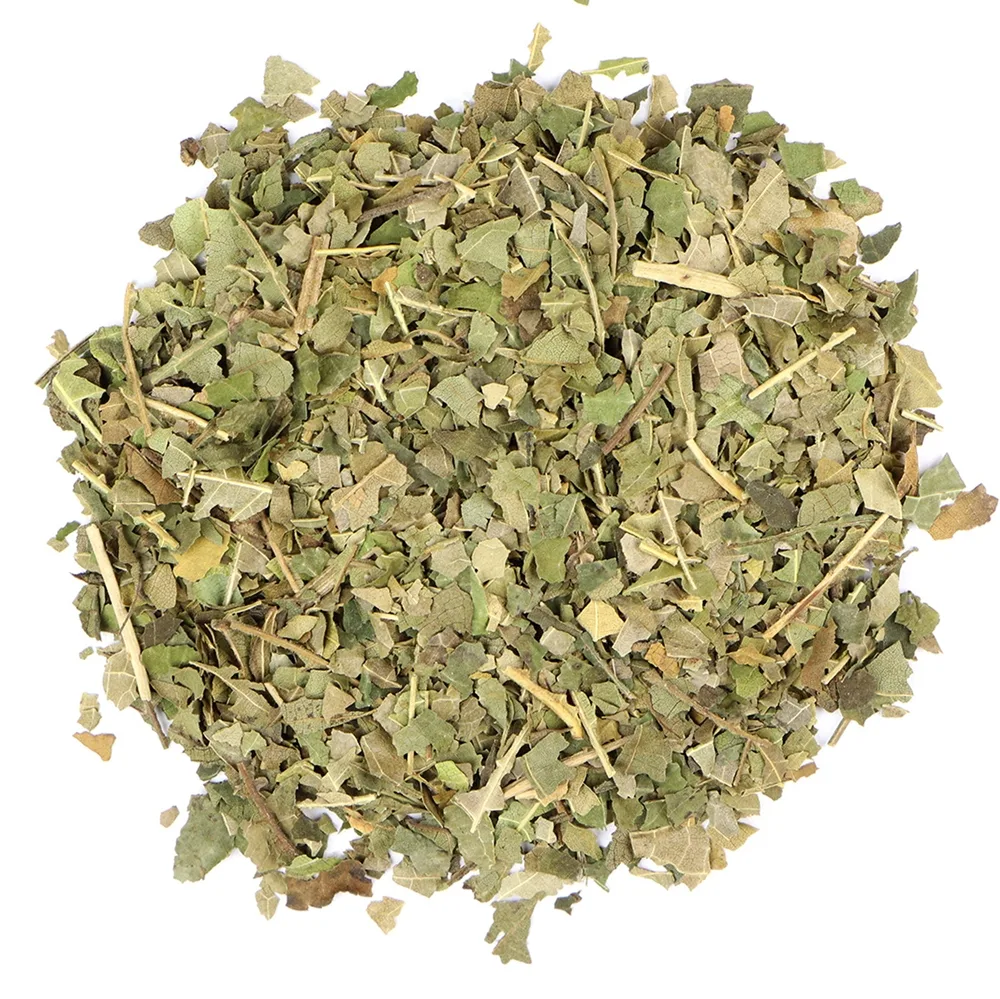
- leaves (Folia Juglandis) – whole, crushed, cut to custom size, or powdered
- green fruit husks / pericarp (Pericarpium Juglandis) – whole, crushed, cut to custom size, or powdered
Quality and Documentation
Upon request, the following may be provided:
- Certificate of Analysis (COA)
- technical documentation
- additional documents upon request
Inquiry
Contact us for current availability, samples, and a quotation based on the required quantities, preferred processing form, and raw material specifications.
Gallery
Product images