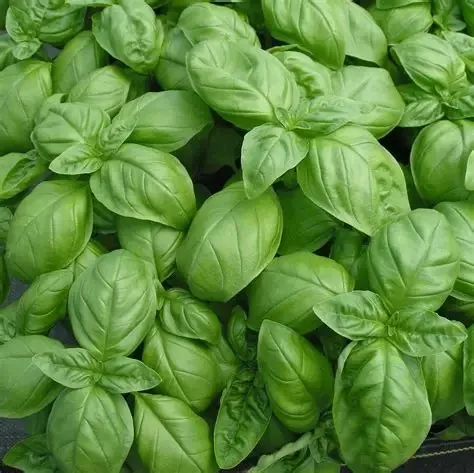
Basil is an annual aromatic herb from the mint family (Lamiaceae), widely used as a botanical, culinary, and aromatic raw material in the food, cosmetic, and pharmaceutical industries. The species is botanically accepted as Ocimum basilicum L.
The plant develops an upright, branched stem that usually reaches around 50–70 cm in height. Its leaves are oval, bright green, and strongly aromatic, while the flowers are small, white or pink, and arranged in spike-like inflorescences.
Basil prefers warm climates and well-drained soils. In Bulgaria, it is widely cultivated thanks to its essential oil content, reliable yields, and broad use as both a seasoning and a botanical raw material. Flowering usually takes place from June to September.
Basic Information
- Latin name: Ocimum basilicum L.
- Parts used: leaves (Folia Basilici), herb / aerial parts (Herba Basilici)
- Origin: Bulgaria
- Raw material type: cultivated
- Harvest period: before and during flowering
Herb Characteristics
Basil is a strongly aromatic plant with abundant aerial growth. The leaves are the main aromatic part of the raw material and are widely used in seasoning blends, herbal products, and cosmetic formulations.
The leaves and aerial parts are harvested before and during flowering, when the aromatic compounds are most concentrated. The raw material is dried in well-ventilated rooms or drying facilities at low temperature to preserve its natural aroma, colour, and essential oil content.
Chemical Composition
- essential oil
- linalool
- eugenol
- methyl chavicol
- flavonoids
- tannins
- saponins
- organic acids
- antioxidants
Essential oil is one of the key constituents of basil. Linalool, eugenol, and methyl chavicol are among the characteristic components of basil essential oil, although the exact profile may vary depending on origin, cultivar, and growing conditions.
Suitable for the Production of
- herbal teas
- dry extracts
- liquid extracts
- tinctures
- herbal blends
- seasoning blends
- aromatic food products
- functional botanical blends
- cosmetic products
- aromatic and botanical formulations
Medicinal Properties and Effects on the Body
Basil is traditionally associated with the following properties:
- digestive support
- use in products for nervous tension
- use in products for respiratory support
- anti-inflammatory activity
- antimicrobial activity
- antioxidant activity
- use in cosmetic and aromatic formulations
In traditional use, basil is included in products for digestion, nervous tension, and respiratory support. In cosmetics, it is used in formulations designed to refresh and tone the skin. In the food industry, basil is a well-known seasoning and aromatic ingredient for a wide range of culinary formulations.
Forms Available
Available as:
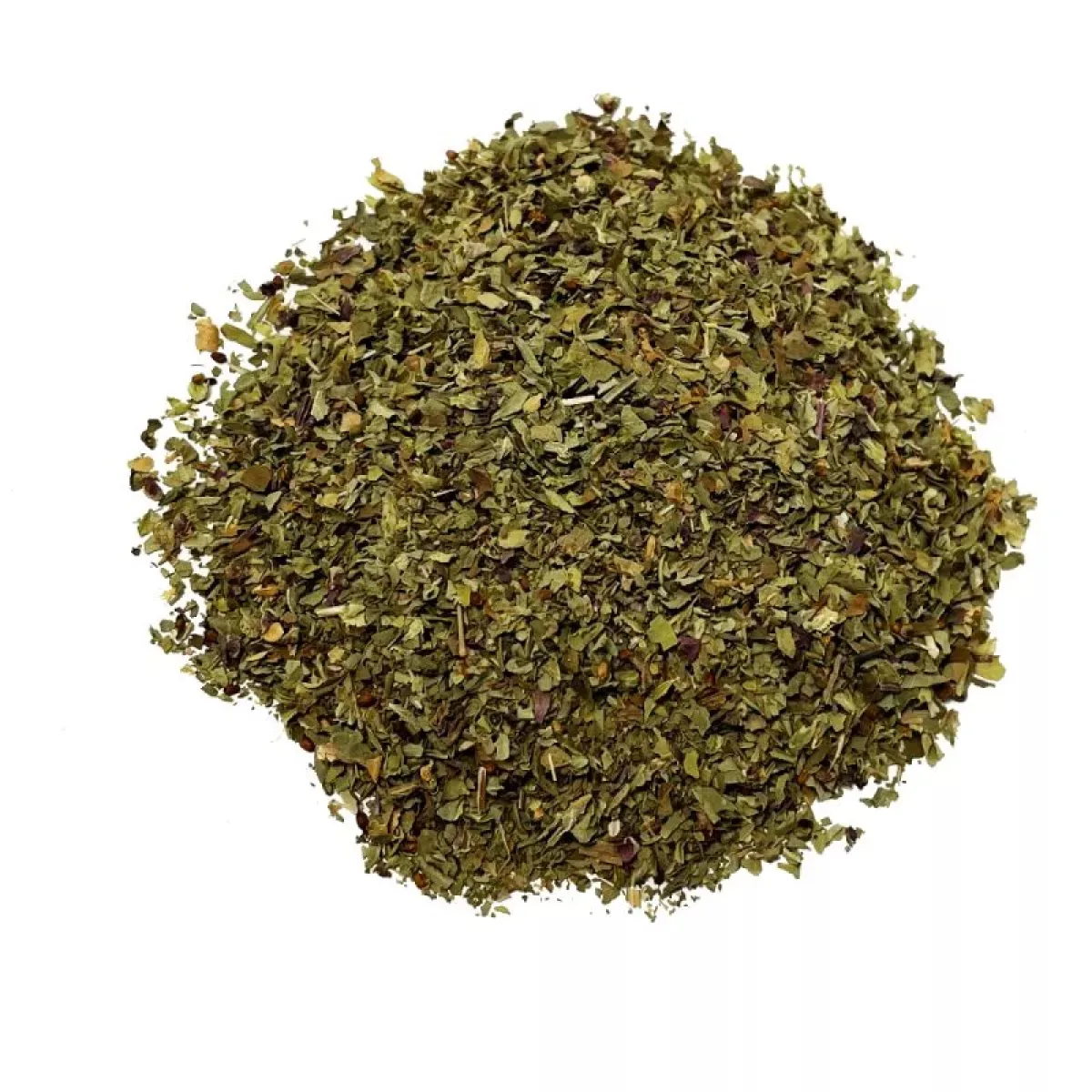
- herb / aerial parts (Herba Basilici) – crushed, cut to custom size upon request, or powdered
- leaves (Folia Basilici) – crushed, cut to custom size upon request, or powdered
- basil essential oil
Quality and Documentation
Upon request, the following may be provided:
- Certificate of Analysis (COA)
- technical documentation
- additional documents upon request
Inquiry
Contact us for current availability, samples, and a quotation based on the required quantities, preferred processing form, and raw material specifications.
Gallery
Product images