Black Chokeberry / Aronia Berry (Aronia melanocarpa (Michx.) Elliott) - Dried fruits
Black chokeberry, commonly known as aronia berry, is a deciduous perennial shrub from the rose family (Rosaceae). The correct accepted botanical name is Aronia melanocarpa (Michx.) Elliott; Aronia melanocarpa L. is not the correct author citation.
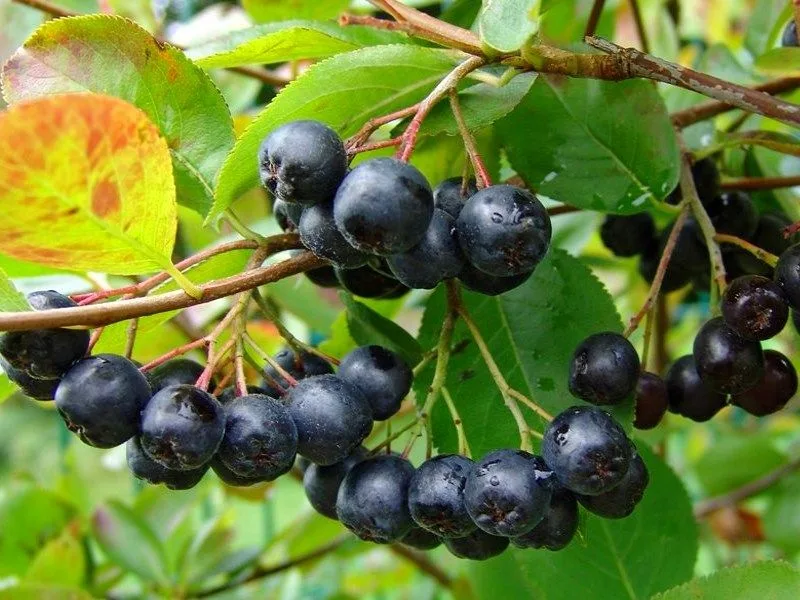
The plant forms a dense shrub, usually 1.5–3 m tall, with simple, glossy, dark green leaves that often turn red in autumn. The flowers are white to pale pink and arranged in corymb-like clusters. The fruits are small, dark purple to nearly black, with an astringent taste and strongly colouring juice. They are a valuable fruit raw material for functional foods, juices, syrups, extracts, natural colourants, powders and products with a strong antioxidant profile.
Basic Information
- Latin name: Aronia melanocarpa (Michx.) Elliott
- English name: Black chokeberry / Aronia berries
- Part used: fruits (Fructus Aronia melanocarpa)
- Origin: Bulgaria
- Raw material type: cultivated
- Harvest period: August, after full ripening
Raw Material Characteristics
The fruits are harvested after ripening, when they develop their characteristic dark purple to black colour. The raw material is cleaned and dried carefully to preserve its colour, astringent fruit profile and overall quality.
Chemical Composition
Aronia berries contain mainly polyphenols, anthocyanins, proanthocyanidins, flavonols, phenolic acids, organic acids, pectins, sugars, sorbitol, vitamins, minerals and natural plant pigments.
Suitable for the Production of
- dry and liquid botanical extracts
- functional foods and beverages
- juices, syrups and fruit-based products
- natural colourants
- products with an antioxidant profile
- cosmetic botanical extracts
- herbal powders
Medicinal Properties and Effects on the Body
Aronia berries have the following properties:
- antioxidant
- anti-inflammatory
- capillary-supporting
- supportive effect on metabolic balance
- supportive effect on cardiovascular comfort
- supportive effect on cellular protection against oxidative stress
The bioactive profile of aronia is mainly linked to its high polyphenol content, especially anthocyanins and proanthocyanidins.
Forms Available
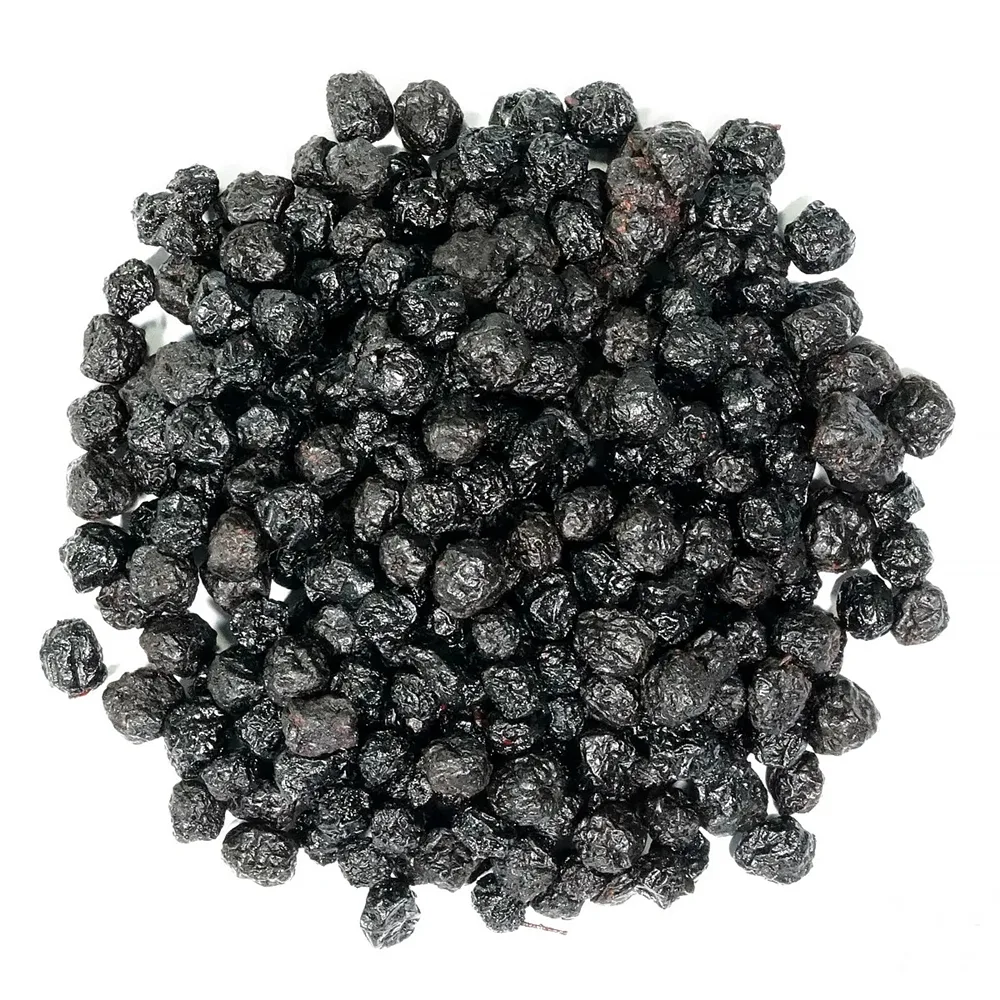
- aronia berries (Fructus Aronia melanocarpa) – whole dried, cut to custom size upon request, or powdered
Quality and Documentation
Upon request, a Certificate of Analysis (COA), technical documentation, batch traceability and additional documents may be provided.
Inquiry
Contact us for availability, bulk quantities, samples and a custom quotation based on the required raw material specifications.
Gallery
Product images