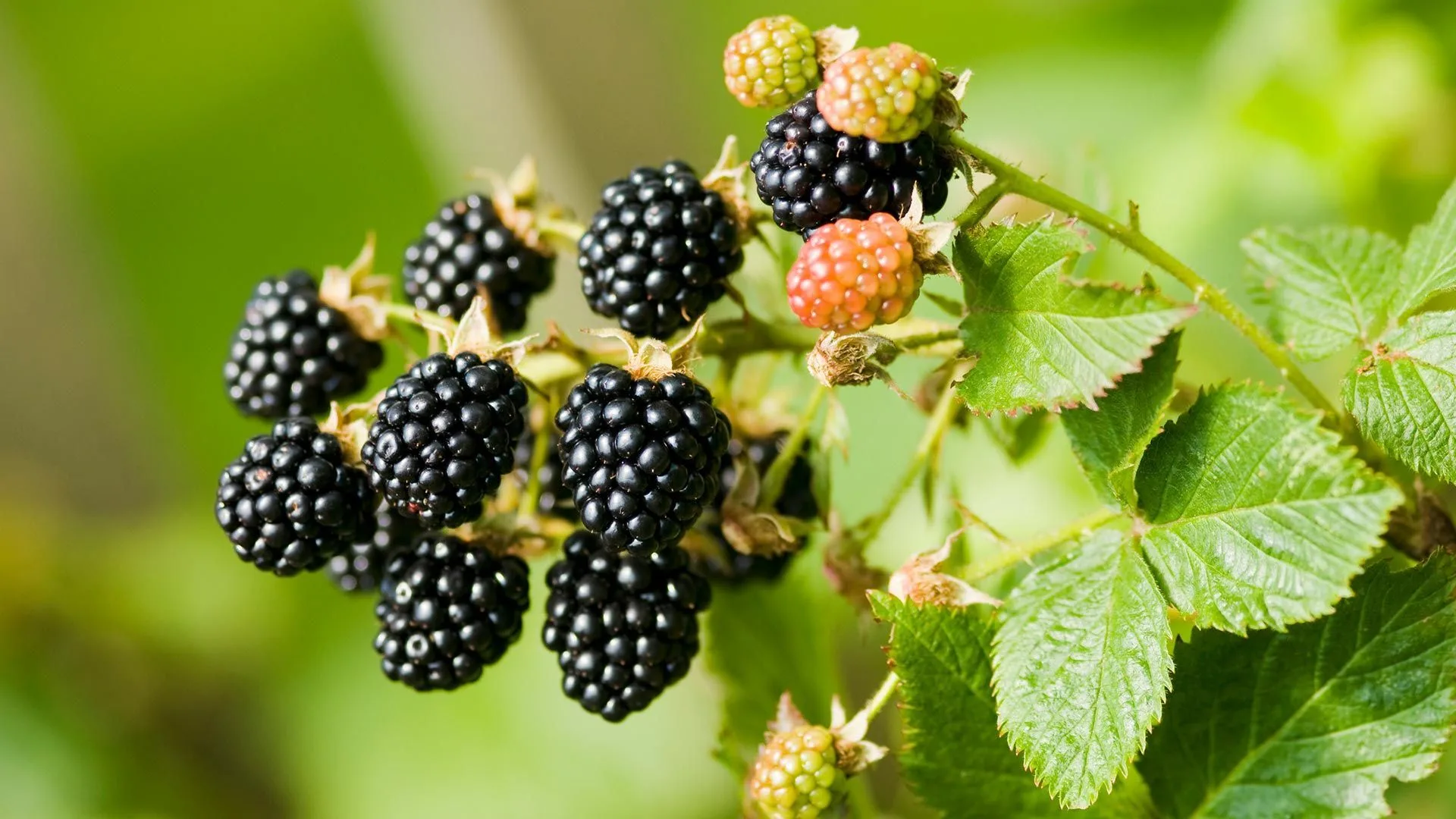
Blackberry is a perennial semi-shrub from the rose family (Rosaceae), widely distributed in Europe and valued both as a botanical raw material and as a food ingredient. The species is botanically accepted as Rubus fruticosus L.
The plant forms strongly branched, arching stems covered with small prickles. The leaves are compound, usually made up of 3 to 5 leaflets, with serrated margins and a deep green colour. The flowers are white or pink and arranged in loose inflorescences.
Blackberry grows throughout Bulgaria, commonly found along woodland edges, in scrubland, meadows, and moist shaded habitats. It flowers from May to July, while the fruits ripen during the summer. In addition to the fruits, the leaves are a valuable raw material used in herbal blends, teas, and botanical extracts.
Basic Information
- Latin name: Rubus fruticosus L.
- Parts used: leaves (Folia Rubi fruticosi), fruits (Fructus Rubi fruticosi)
- Origin: Bulgaria
- Raw material type: wild-harvested
- Leaf harvest period: May – August
- Fruit harvest period: July – September, at full maturity
Other Names
- Wild Blackberry
- Bramble
Herb Characteristics
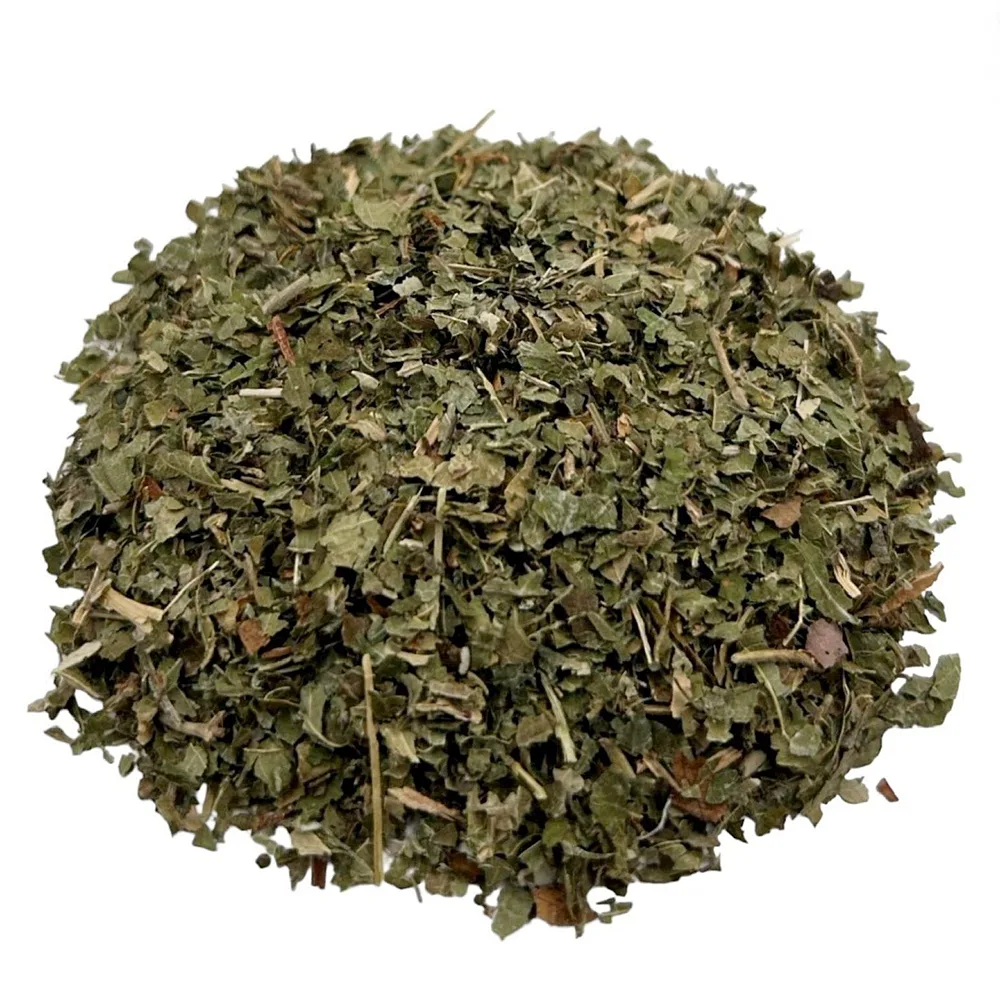
Blackberry is a resilient semi-shrub with long prickly stems and abundant foliage. The leaves are one of the main plant parts used as botanical raw material. They are harvested when fresh, green, and fully developed.
The fruits are dark, juicy, and naturally rich in plant compounds. The raw material is dried in well-ventilated rooms or drying facilities at low temperature to preserve its active constituents, natural colour, and overall quality.
Chemical Composition
- tannins
- flavonoids
- organic acids
- vitamin C
- anthocyanins
- essential components
- antioxidants
- minerals
- pectins
Blackberry leaves contain tannins, flavonoids, and phenolic compounds, while the fruits are valued for their natural content of anthocyanins, antioxidants, minerals, and pectins. Leaves of wild Rubus species are studied as a source of phenolic and antioxidant compounds.
Suitable for the Production of
- herbal teas
- herbal blends
- dry extracts
- liquid extracts
- tinctures
- botanical extracts
- products for the mouth and throat
- herbal blends for digestion
- topical skin products
- food and functional products
Medicinal Properties and Effects on the Body
Blackberry is traditionally associated with the following properties:
- astringent action
- antioxidant activity
- anti-inflammatory activity
- use in products for the mouth and throat
- use in herbal blends for digestion
- use in topical skin products
In traditional herbal practice, blackberry leaves are used in teas, extracts, and herbal blends intended for the mouth, throat, and digestion. The fruits are valued as a food ingredient with naturally occurring antioxidants and applications in the food industry.
Forms Available
Available as:
- leaf (Folia Rubi fruticosi) – whole dried, crushed, cut to custom size upon request, or powdered
Quality and Documentation
Upon request, the following may be provided:
- Certificate of Analysis (COA)
- technical documentation
- additional documents upon request
Inquiry
Contact us for current availability, samples, and a quotation based on the required quantities, preferred processing form, and raw material specifications.
Gallery
Product images