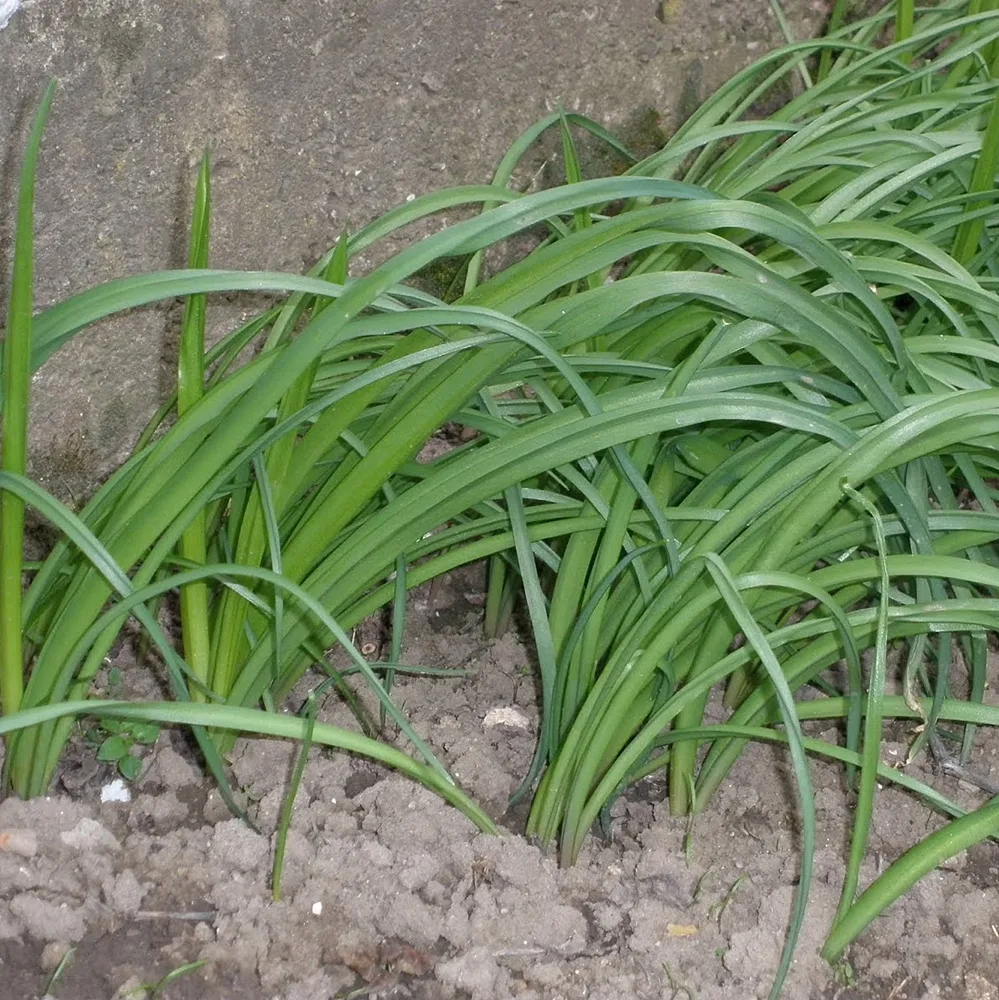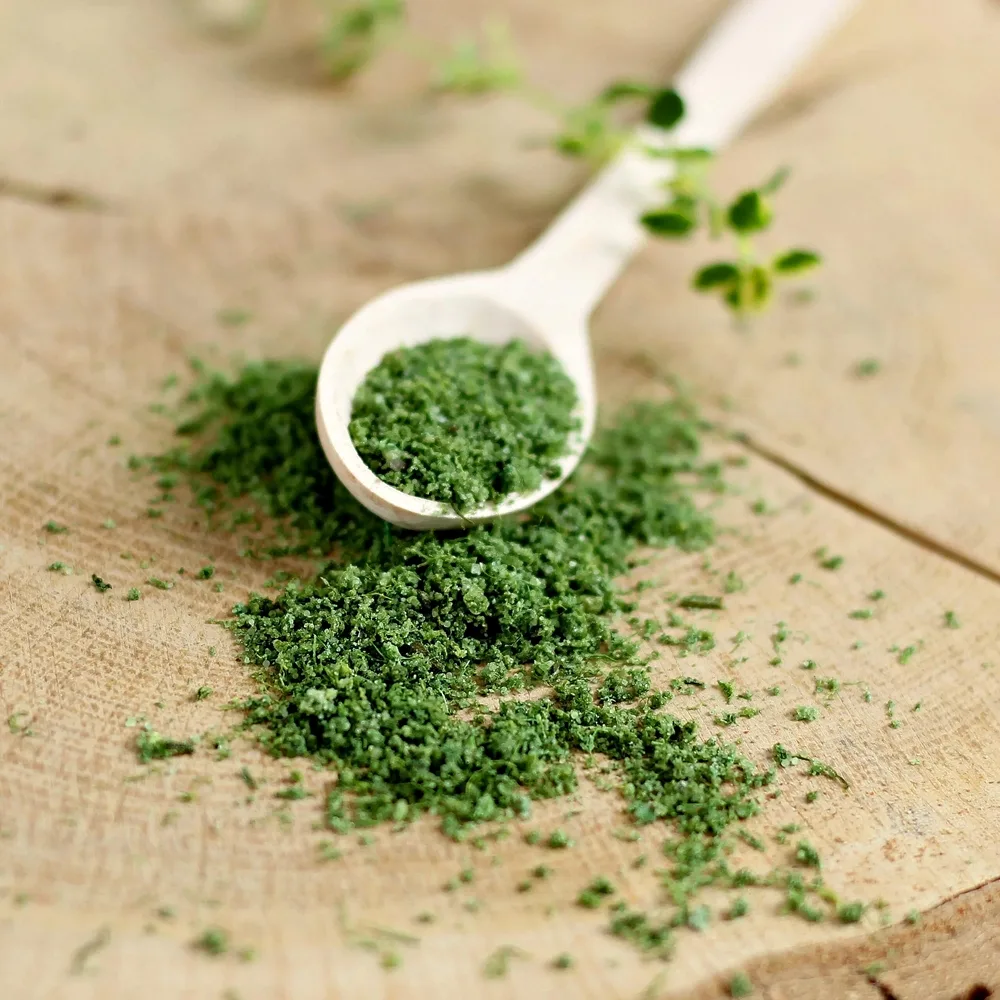
Bulgarian Honey Garlic, Nectaroscordum siculum subsp. bulgaricum) - dried aerial parts
Bulgarian allium, locally known as samardala, is an aromatic bulbous plant traditionally used in Bulgaria as a distinctive culinary and botanical raw material. The submitted botanical name is Nectaroscordum siculum subsp. bulgaricum, while modern taxonomic sources also treat this name as a synonym of Allium siculum subsp. dioscoridis.
In Bulgaria, samardala is mainly found in the eastern part of the Balkan Mountains, as well as in the Sliven and Stara Zagora regions. It typically grows in moist, shaded habitats, particularly in hornbeam and beech forests.
The plant develops ovoid bulbs from which several stems emerge, usually reaching around 40 cm in length. The leaves appear in March, while flowering takes place in April or May. Samardala has a very strong aroma and a slightly bitter, pungent taste, more intense than that of onion or garlic. For this reason, it is most commonly used dried, often blended with salt, as a seasoning rather than consumed fresh.
Basic Information
- Latin name: Nectaroscordum siculum subsp. bulgaricum
- Taxonomic treatment / synonym: Allium siculum subsp. dioscoridis
- Part used: leaves / stems
- Origin: Bulgaria
- Raw material type: wild-harvested and cultivated
- Harvest period: March – April, while the leaves are young and fresh
Other Names
- Bulgarian Allium
- Bulgarian Honey Garlic
Herb Characteristics
Samardala is a strongly aromatic bulbous plant with a round stem and distinctive leaves that show a three-rayed star shape when cut across. The flowers are bell-shaped and may appear in shades of orange, purple, yellow, white, pink, or brown.
Due to its attractive flowers, the plant is also grown as an ornamental species. In culinary use, samardala is mainly valued as a dried seasoning, typically added without heat treatment to flavour dishes with potatoes, rice, eggs, tomatoes, cheese, cucumbers, and other foods.
Chemical Composition
- essential oil
- flavonoids
- tannins
- sterols
The chemical composition of samardala contributes to its strong aroma, distinctive taste, and use as both a culinary and botanical raw material.
Suitable for the Production of
- dry seasoning blends
- herbal blends
- plant powders
- culinary products
- functional botanical ingredients
- digestive support products
- aromatic food formulations
Medicinal Properties and Effects on the Body
Samardala is traditionally associated with the following properties:
- digestive support
- appetite-stimulating action
- diuretic action
- anti-inflammatory activity
- use in products for urinary system support
- application in herbal and culinary blends
Traditionally, samardala is valued as an aromatic seasoning raw material that supports digestion and is used in a range of culinary and herbal formulations. Its strong taste and aroma make it suitable for products where a pronounced botanical and seasoning profile is desired.
Forms Available
Available as:
- dried aerial parts – whole dried, crushed, cut to custom size upon request, or powdered
-
Available as a ready-made seasoning with a defined salt content (%).
Quality and Documentation
Upon request, the following may be provided:
- Certificate of Analysis (COA)
- technical documentation
- additional documents upon request
Inquiry
Contact us for current availability, samples, and a quotation based on the required quantities, preferred processing form, and raw material specifications.
Gallery
Product images