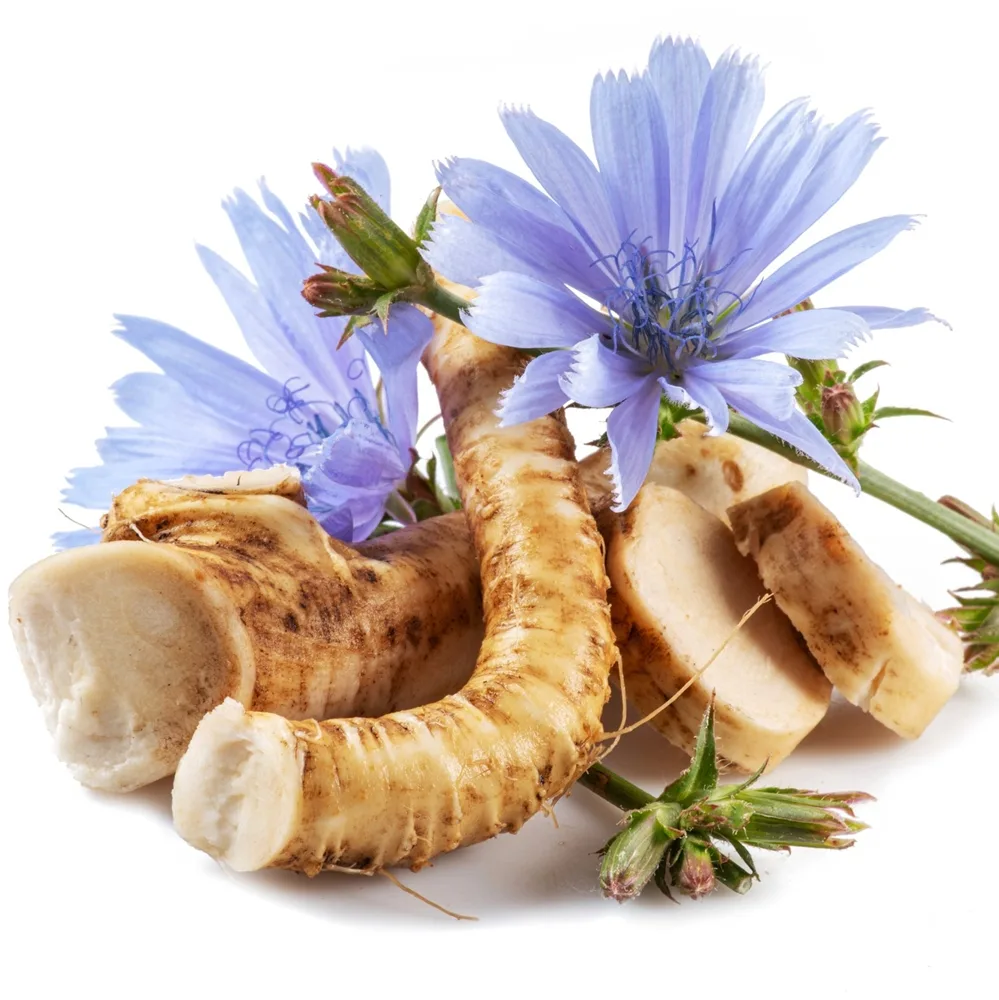
Chicory is a well-known medicinal and food plant recognized for its bright blue flowers and its naturally high inulin content. For generations, it has been used in European herbal traditions and remains an important botanical ingredient for herbal products, food applications, nutritional supplements, and plant-based extracts.
The plant grows naturally along roadsides, grasslands, meadows, and uncultivated areas throughout Europe. Cultivated varieties are often preferred for commercial use due to their larger, fleshier roots. Chicory is widely utilized by manufacturers in the food, nutraceutical, herbal, and pharmaceutical sectors.
Basic Information
- Latin name: Cichorium intybus L.
- Part used: root and aerial parts (Radix et Herba Cichorii)
- Origin: Bulgaria
- Raw material type: wild-harvested and cultivated
- Harvest period: aerial parts – July to August; roots – September to October
Herb Characteristics
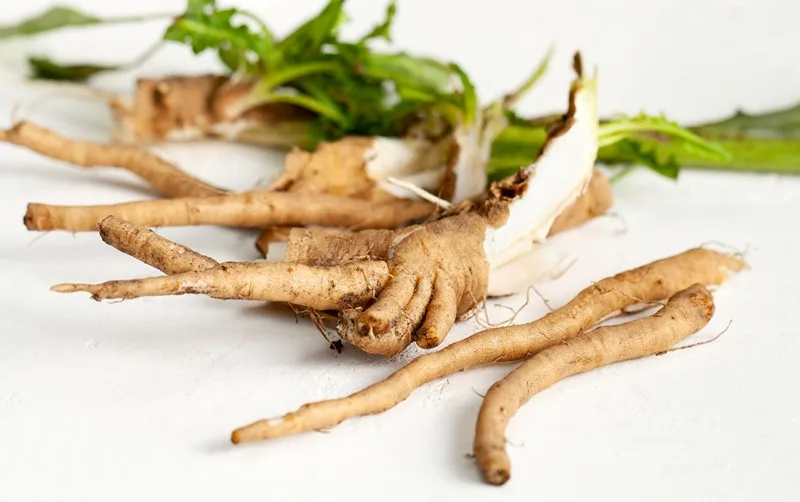
Chicory is a biennial or perennial herb belonging to the daisy family (Asteraceae). It develops a fleshy spindle-shaped taproot and an upright, sturdy stem that can reach up to 1 metre in height. Basal leaves form a rosette, while all parts of the plant contain a characteristic bitter milky sap.
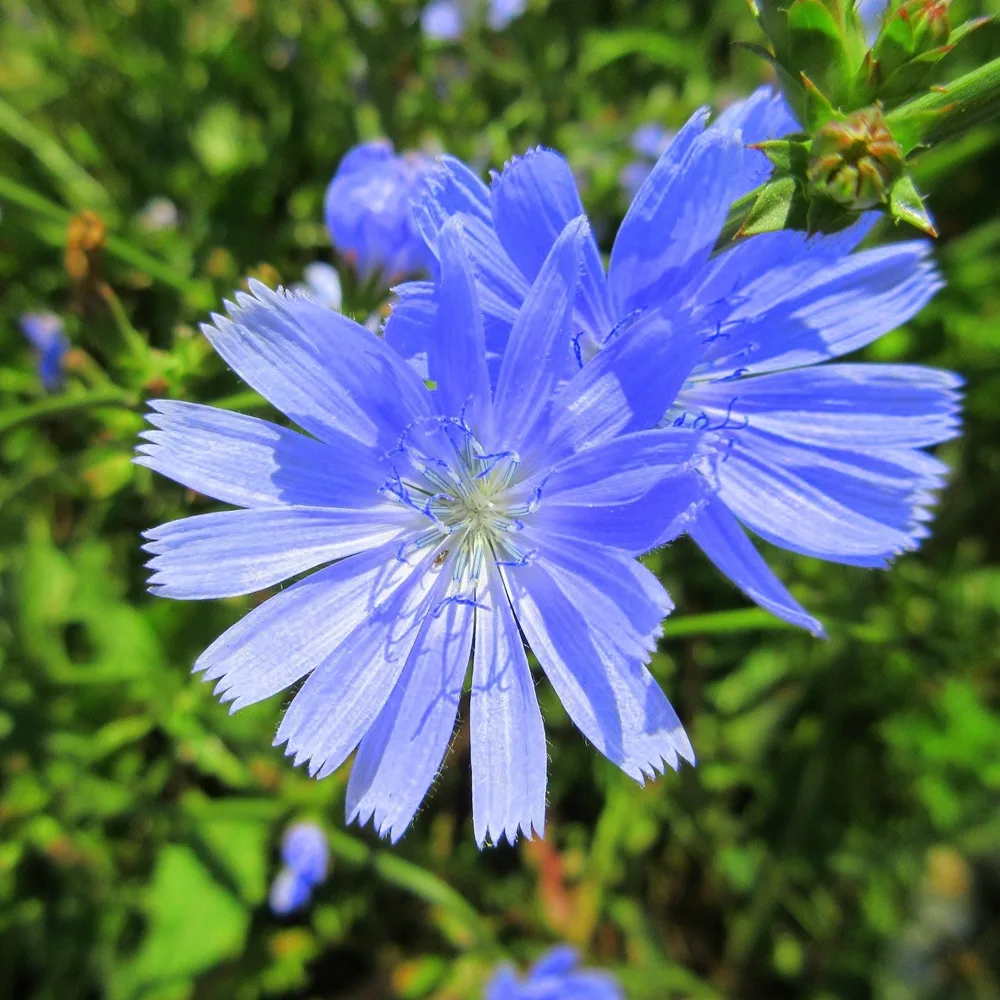
Its bright blue flowers bloom from June to October. The species is widely distributed throughout Bulgaria and thrives in dry, sunny habitats. The harvested material is suitable for cutting, crushing, milling, and extraction.
Chemical Composition
Root:
- inulin
- fructose
- organic acids
- tannins
- pectin compounds
- resins
- carotenoids
- B vitamins
- vitamin C
Aerial parts and flowers:
- cichoriin
- bitter compounds
- phenolic compounds
- flavonoids
Suitable for the Production of
- herbal teas
- dry extracts
- liquid extracts
- tinctures
- food supplements
- digestive wellness products
- functional foods
- coffee substitutes
- botanical extracts
Medicinal Properties and Effects on the Body
Chicory is traditionally associated with the following properties:
- digestive support
- appetite stimulation
- support for normal bile function
- intestinal comfort support
- prebiotic activity due to its inulin content
- support for normal metabolic processes
According to the European Medicines Agency herbal monograph, chicory root has traditionally been used for the relief of mild digestive complaints such as bloating, abdominal fullness, slow digestion, and temporary loss of appetite.
Roasted and ground chicory root is also widely used as an ingredient in naturally caffeine-free coffee alternatives.
Important Notice
Information regarding the traditional use of chicory is provided for informational purposes only. Persistent, unusual, or worsening symptoms should be assessed by a qualified healthcare professional.
Forms Available
Available as:
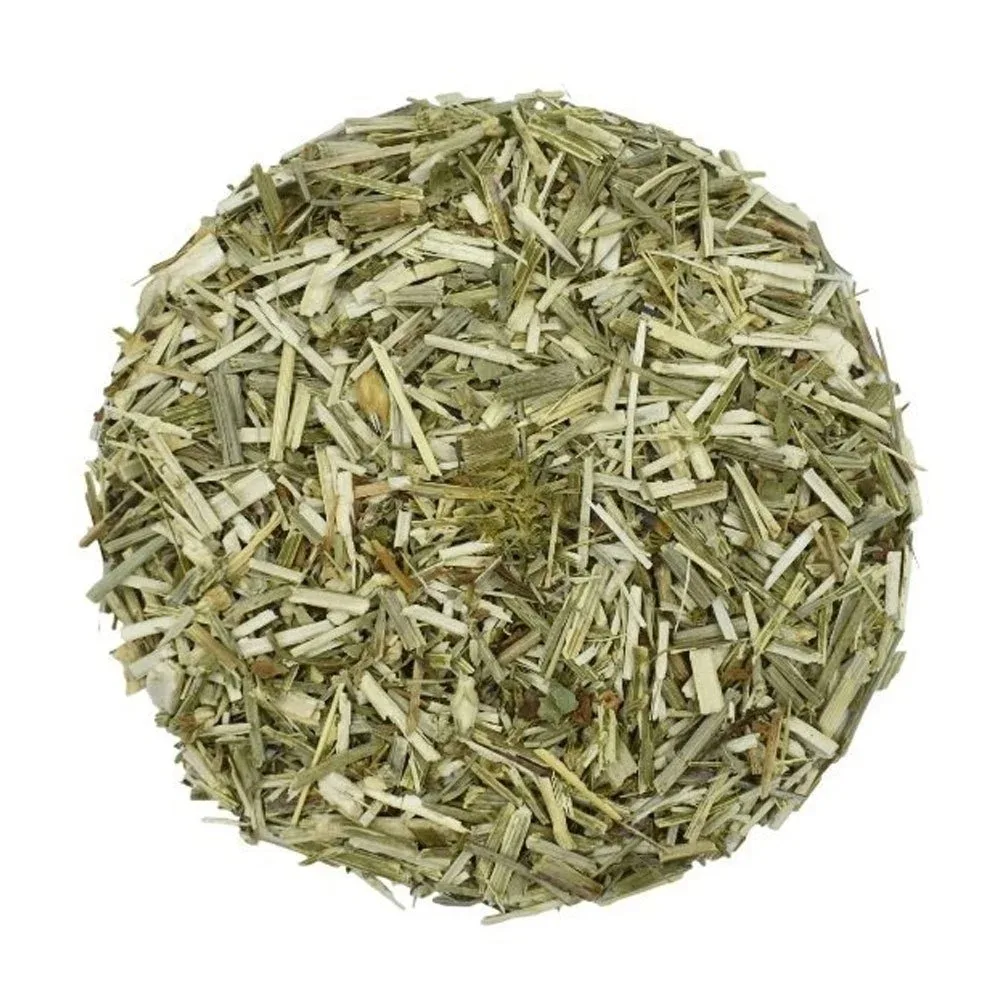
Herb (Herba Cichorii):
- whole dried herb
- crushed herb
- cut material in custom sizes upon request
- herbal powder
Root (Radix Cichorii):
- whole dried root
- crushed root
- cut root in custom sizes upon request
- root powder
Quality and Documentation
Upon request, the following may be provided:
- Certificate of Analysis (COA)
- technical documentation
- additional documents upon request
Inquiry
Contact us for current availability, samples, and a quotation based on the required quantities, preferred processing form, and raw material specifications.
Gallery
Product images